Northern Okinawa Main Island (The Yanbaru Area)
Northern Okinawa Island, known as the Yanbaru area, is a region blessed with lush nature, a rich history, and a deep-rooted Okinawan culture.
Each spot offers enough to keep you captivated for half a day to a full day, so we recommend planning your visit with plenty of time to spare.
Okinawa Churaumi Aquarium
Okinawa’s famous scenic spot
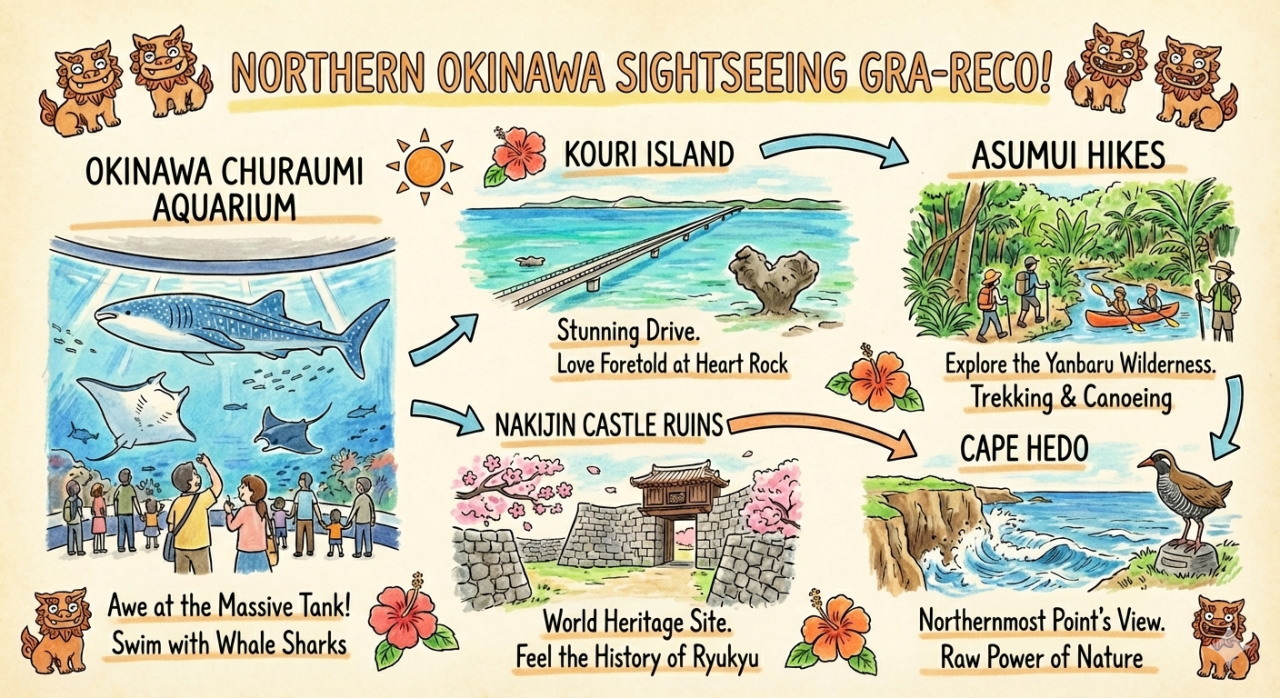
As one of Okinawa’s most iconic and popular tourist destinations, this world-class aquarium is located within Ocean Expo Park on the Motobu Peninsula in northwestern Okinawa.
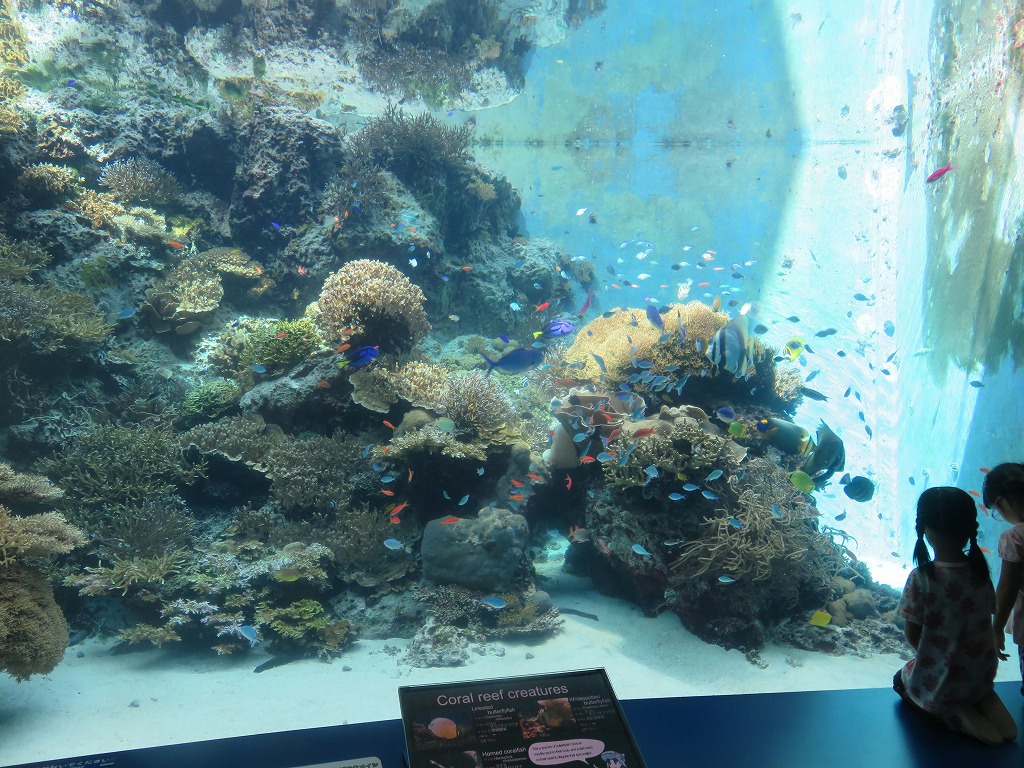
The layout allows you to experience the wonders of Okinawa’s marine life as if you were strolling along the ocean floor, journeying from sunlit shallow reefs to the mysterious deep sea.
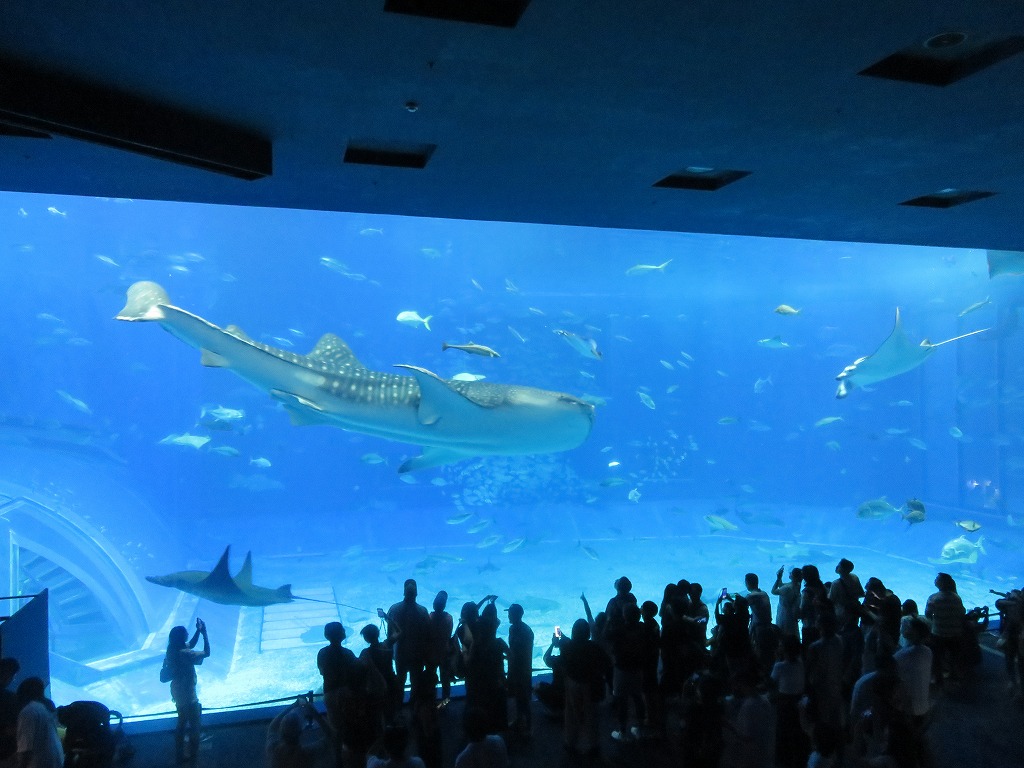
At the “Kuroshio Sea” tank—one of the largest in the world—you can witness the majestic sight of whale sharks and manta rays swimming gracefully right before your eyes.
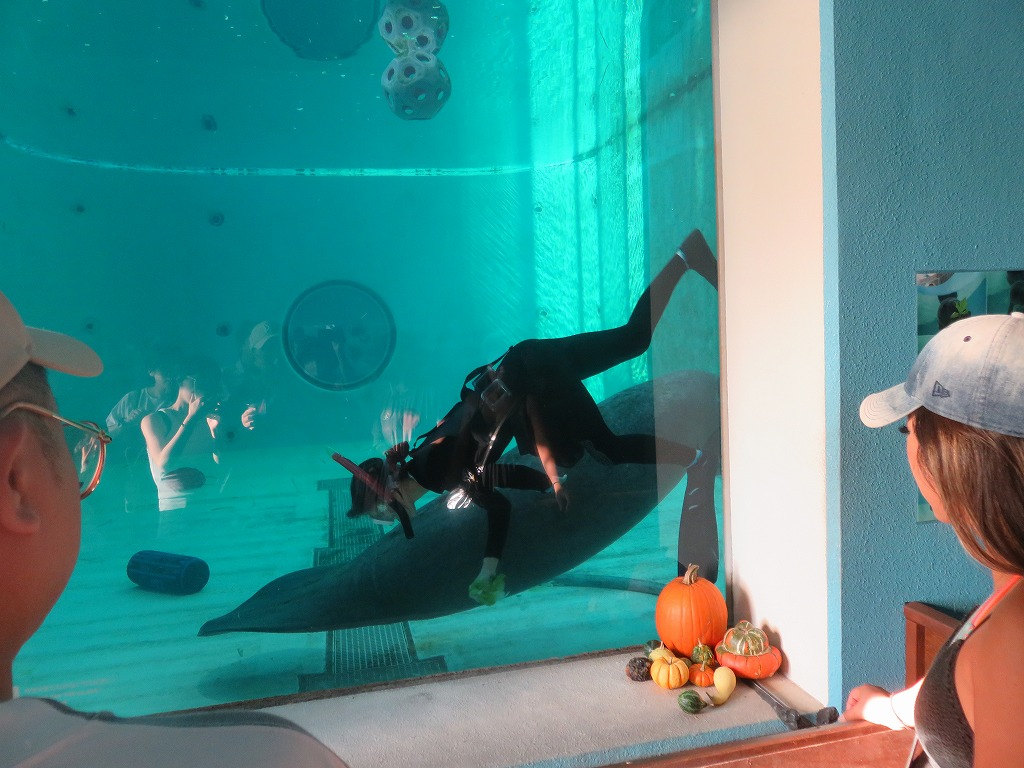
Location: 424 Ishikawa, Motobu-cho, Kunigami-gun, Okinawa
Access: Approximately 2 hours from Naha Airport by car (via expressway), or about 2.5 hours by highway bus.
Hours: 8:30 AM – 6:30 PM (Last admission at 5:30 PM)
Phone:0980-48-3748
Nakijin Castle Ruins (Nakijin-jo Ato)
Memories of the Ryukyu Kingdom: Elegant Stone Curves and Panoramic Ocean Views
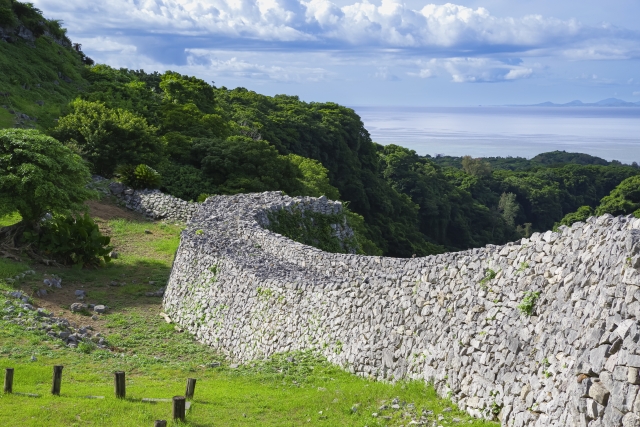
As a designated UNESCO World Heritage site under the “Gusuku Sites and Related Properties of the Kingdom of Ryukyu,” these ruins are renowned for their beautifully curved stone walls that follow the natural contours of the mountain. From the hilltop, you can enjoy a breathtaking panoramic view of the East China Sea.
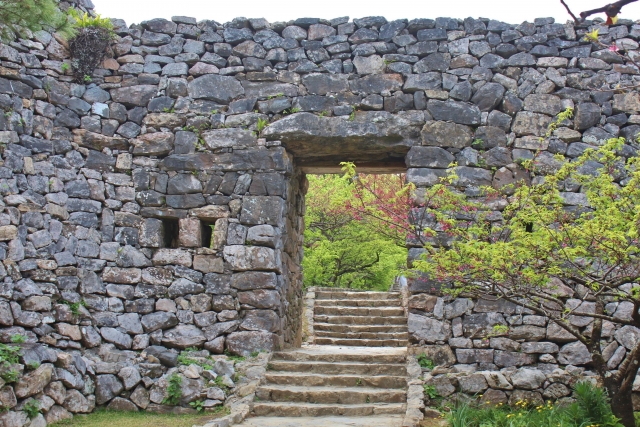
On the grounds, you will also find the Nakijin Village History and Culture Center (free admission), which introduces the fascinating history and heritage of Nakijin Castle and the surrounding village.
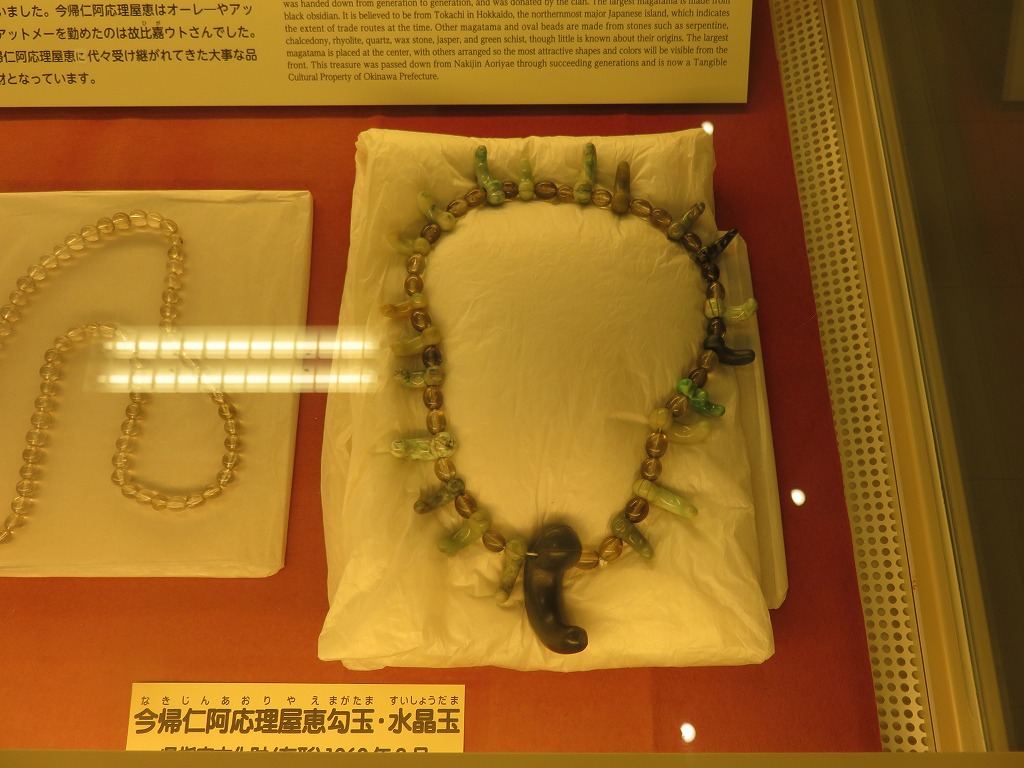
Location: 5101 Imadomari, Nakijin-son, Kunigami-gun, Okinawa
Access: Approximately 110km from Naha Airport (about 2 hours and 45 minutes by car).
Hours: Regular hours: 8:00 AM – 6:00 PM (Last admission at 5:30 PM). Summer hours (May–August): 8:00 AM – 7:00 PM (Last admission at 6:30 PM).
Phone:0980-56-4400
Kouri Island (Kouri-jima)
A Popular Driving Destination Known as the “Island of Love”
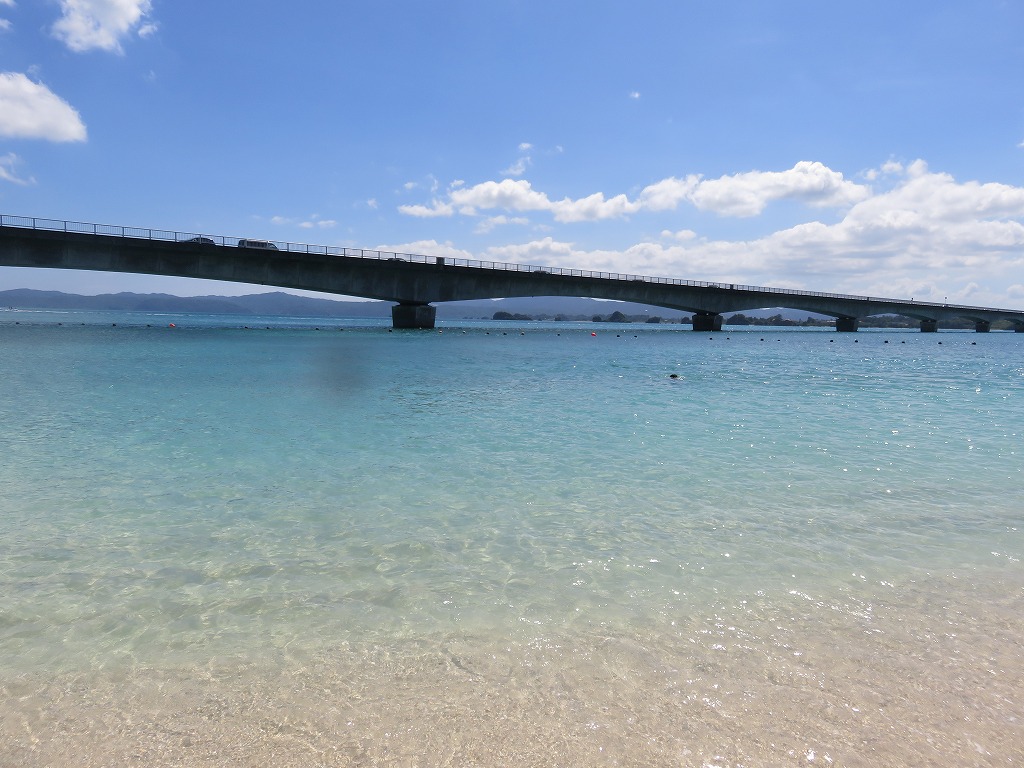
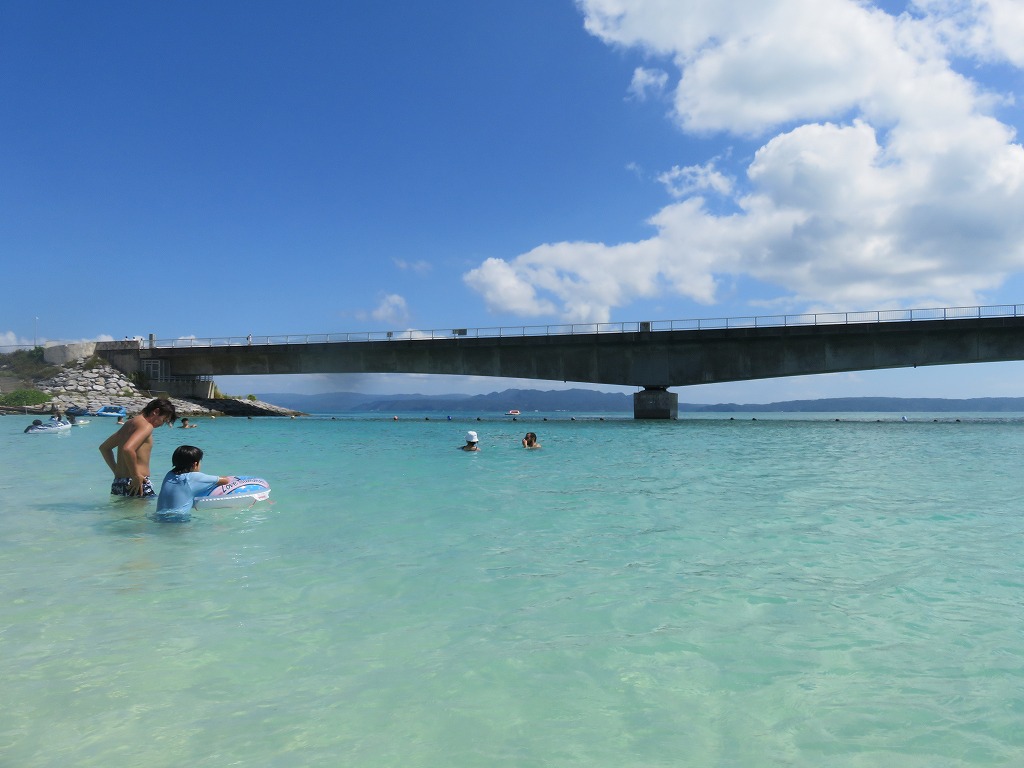
Kouri Island is home to an ancient myth of human origins similar to the legend of Adam and Eve, earning it the nicknames “Island of the Gods” and “Island of Love” (Kuijima). Since the opening of the Kouri Bridge in 2005, connecting it to Yagaji Island in Nago City, it has become a popular remote island accessible by car.
Kouri Beach
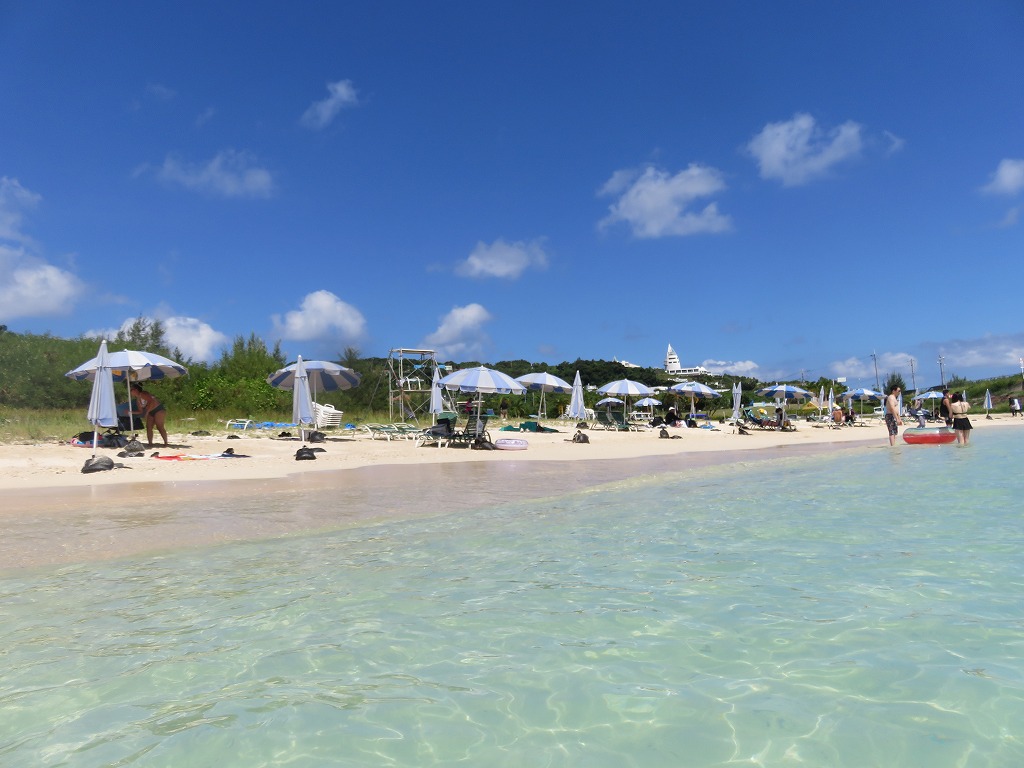
Located right at the entrance of the island, this shallow beach is a bustling spot for swimmers. The area is well-equipped with facilities, including marine gear rentals, showers, restrooms, and parking.
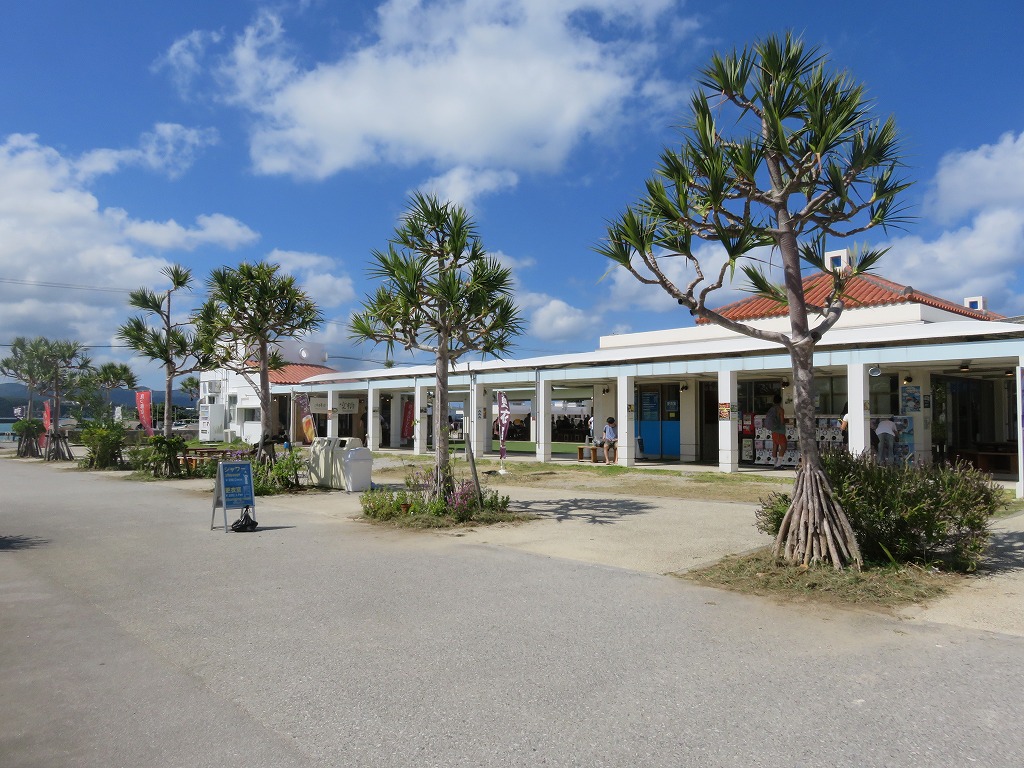
Situated just steps from Kouri Beach, Sorahashi is a facility similar to a roadside station (Michi-no-Eki). It offers a variety of services, including local dining, souvenirs, and rental spaces for changing clothes.
Tinu Beach (Tinu-hama)
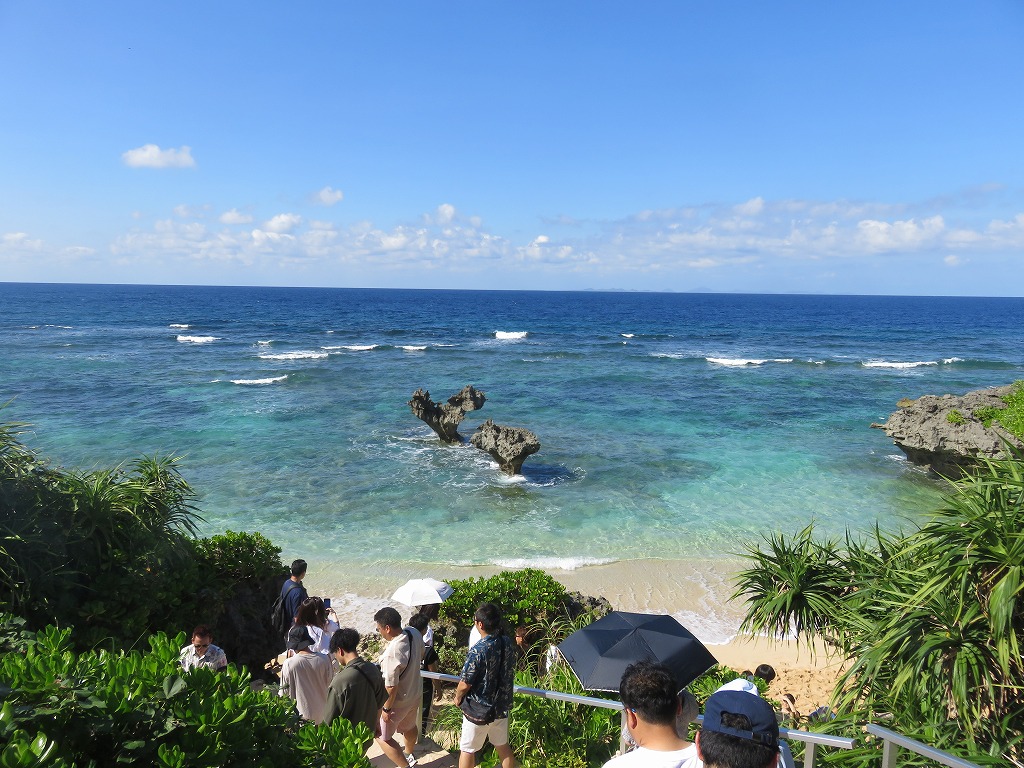
On the northern side of the island lies Tinu Beach, home to the famous “Heart Rock”—a pair of heart-shaped limestone formations (raised coral rock) sculpted by the waves. It is a particularly popular destination as a “power spot” for those seeking luck in love and romantic fulfillment.
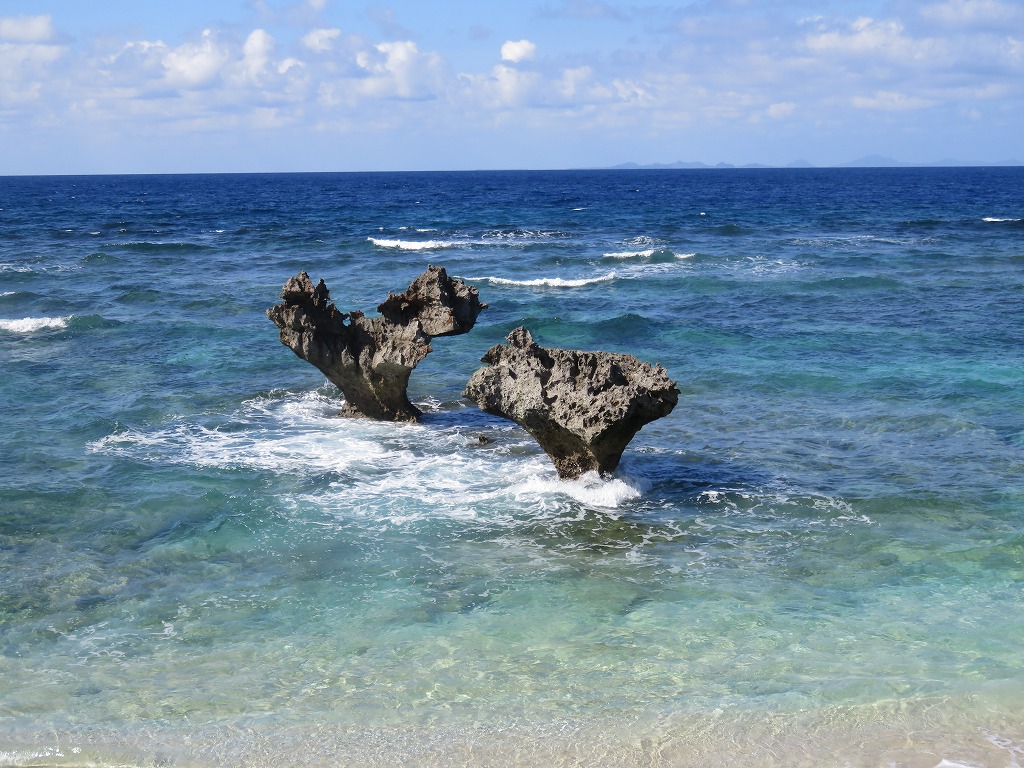
Location: Nakijin-son, Kunigami-gun, Okinawa
Access: Approximately 1 hour and 30 minutes (about 90km) from Naha Airport.
Asumui Hykus (Daisekirinzan, Yanbaru National Park)
A Spiritual “Power Spot” in Yanbaru: A Tapestry of Unique Rock Formations and Forest
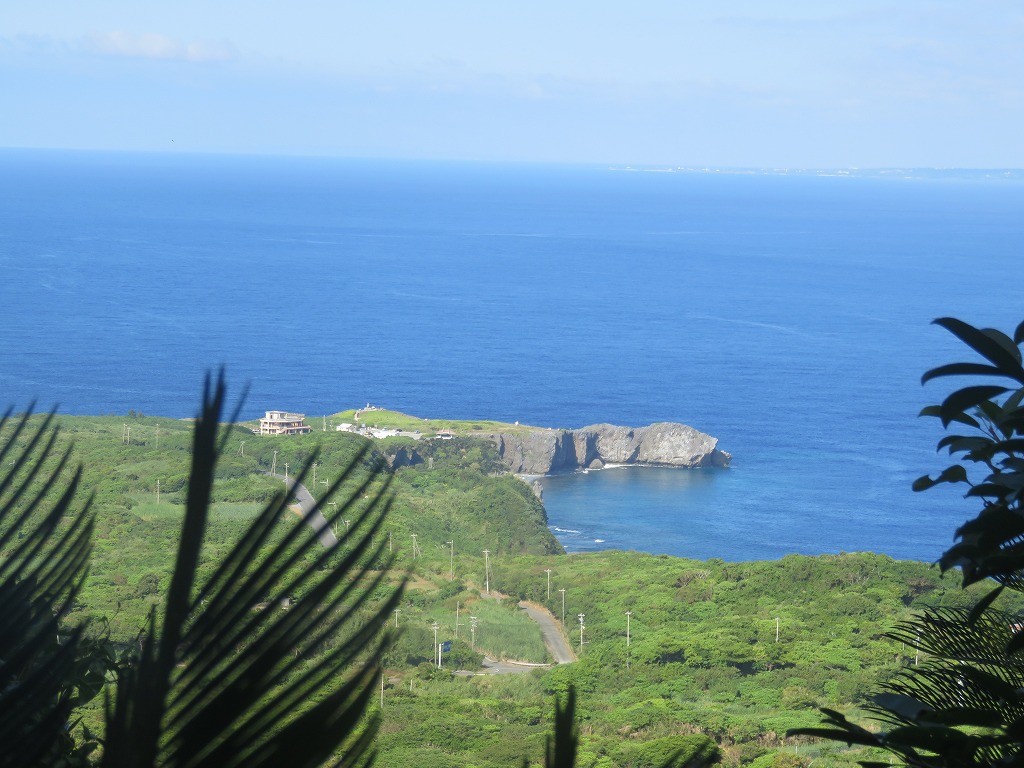
With well-maintained walking trails, visitors can easily enjoy a trekking experience. The highlights include a group of uniquely shaped limestone rocks, subtropical flora, and stunning vistas from the observation points.
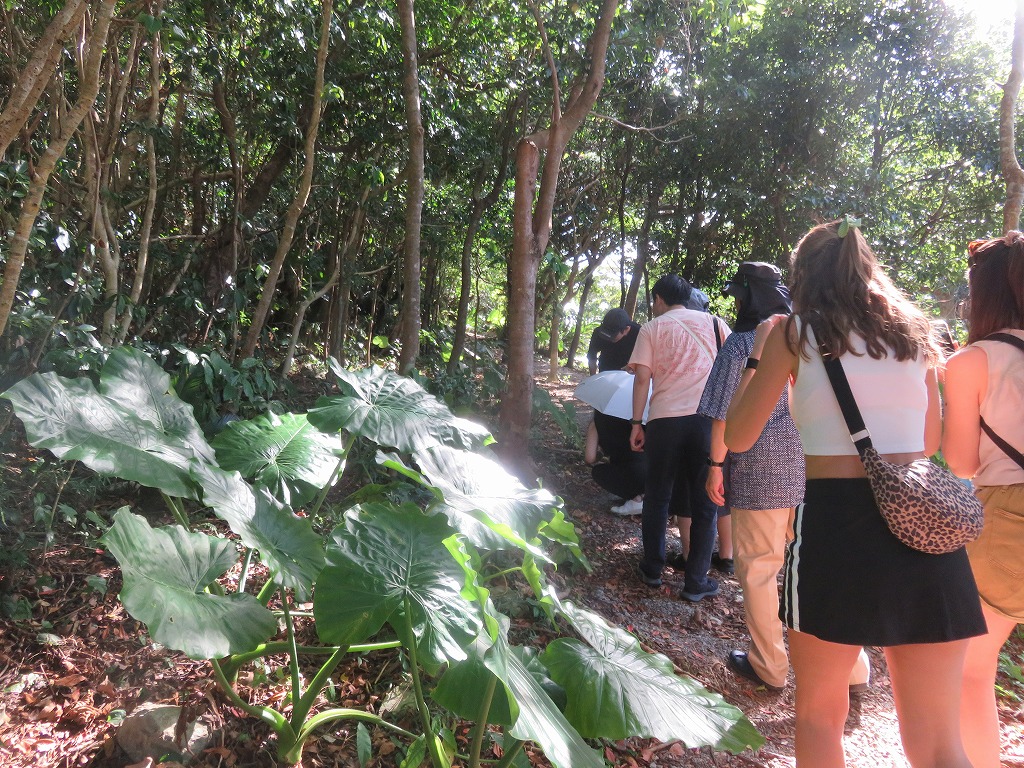
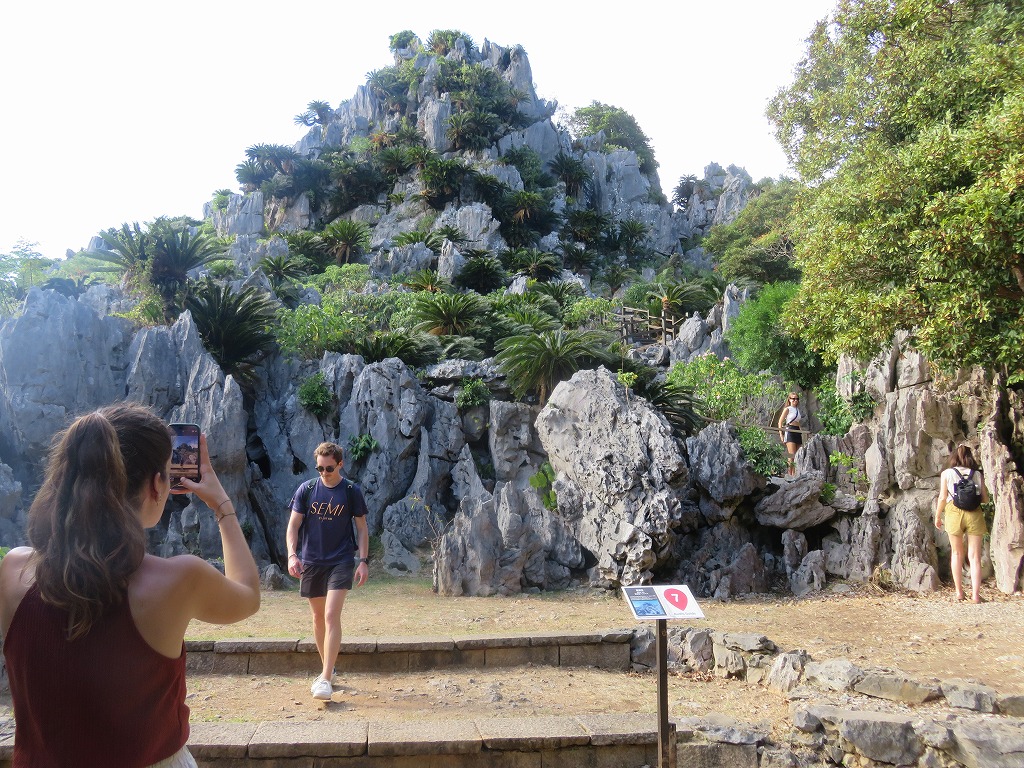
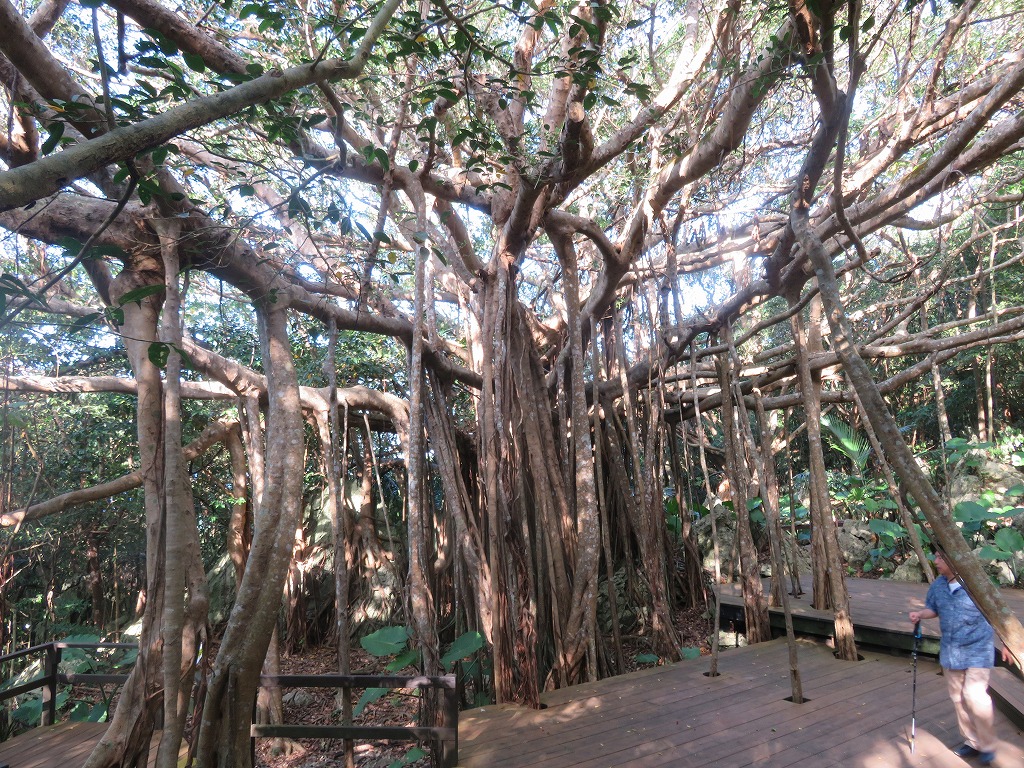
The Ugan Gajumaru is a sacred tree representing Asumui Hykus, radiating a sense of mystery and immense life force.
Location: 1241 Ginama, Kunigami-son, Kunigami-gun, Okinawa
Required Time: Approximately 90 to 150 minutes.
Hours: 9:30 AM – 5:30 PM (Last admission at 4:00 PM). Open year-round.
Phone:0980-41-8117
Cape Hedo (Hedo-misaki)
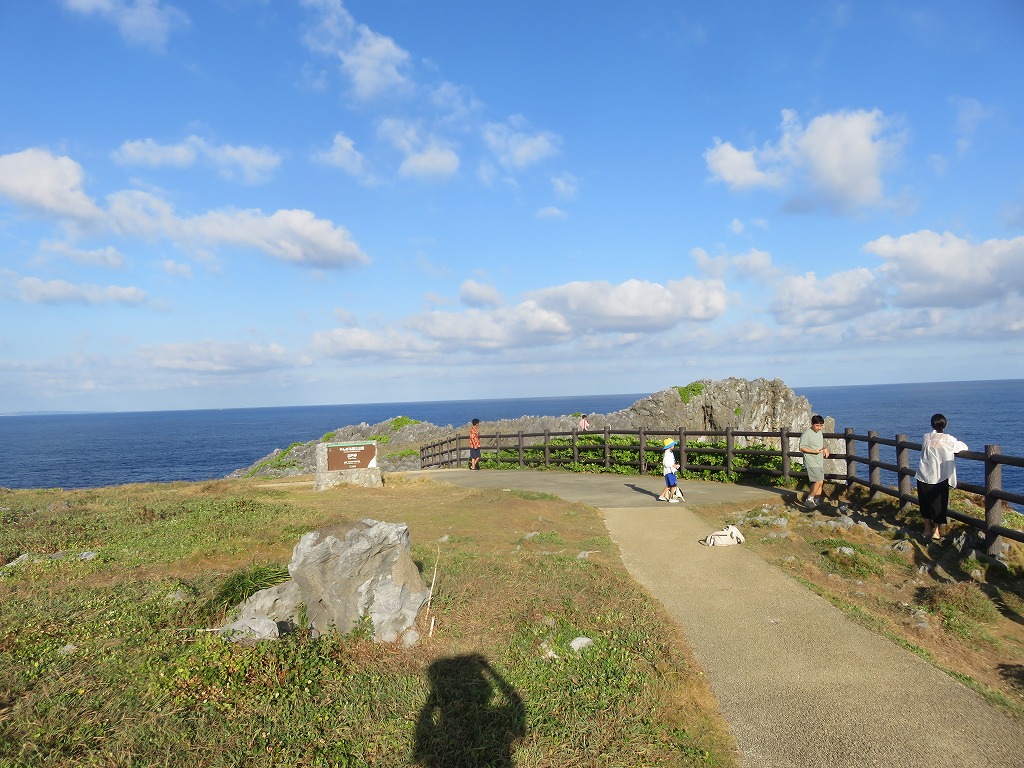
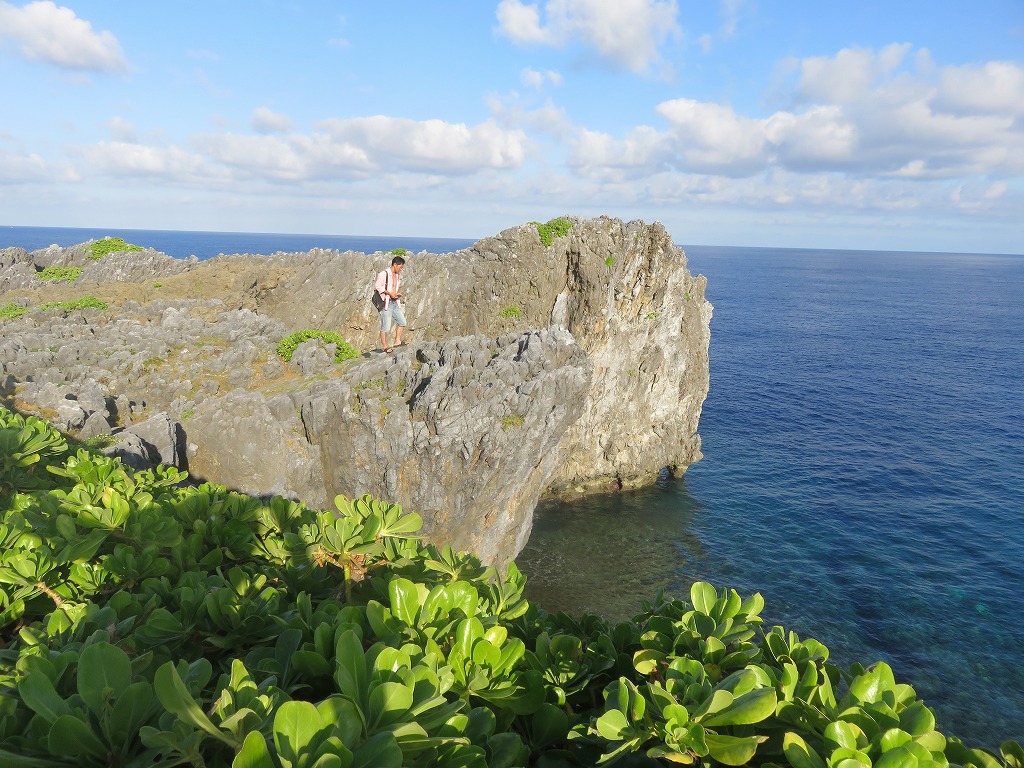
The Northernmost Point of Okinawa Main Island: Where the Sky and Sea Meet in a Breathtaking Vista
This is the northernmost cape of Okinawa Island. The primary highlight is the stunning contrast between the rugged, towering cliffs and the deep blue ocean.
Location: 973-5 Hedo, Kunigami-son, Kunigami-gun, Okinawa
Hours: 10:00 AM – 5:00 PM
Phone: 0980-43-0977
Okinawa Rail (Yanbaru Kuina)
An Endemic Species of Yanbaru: The Flightless Bird
The Okinawa Rail is a flightless bird endemic to the Yanbaru region, first discovered in 1981. It is found nowhere else in the world.
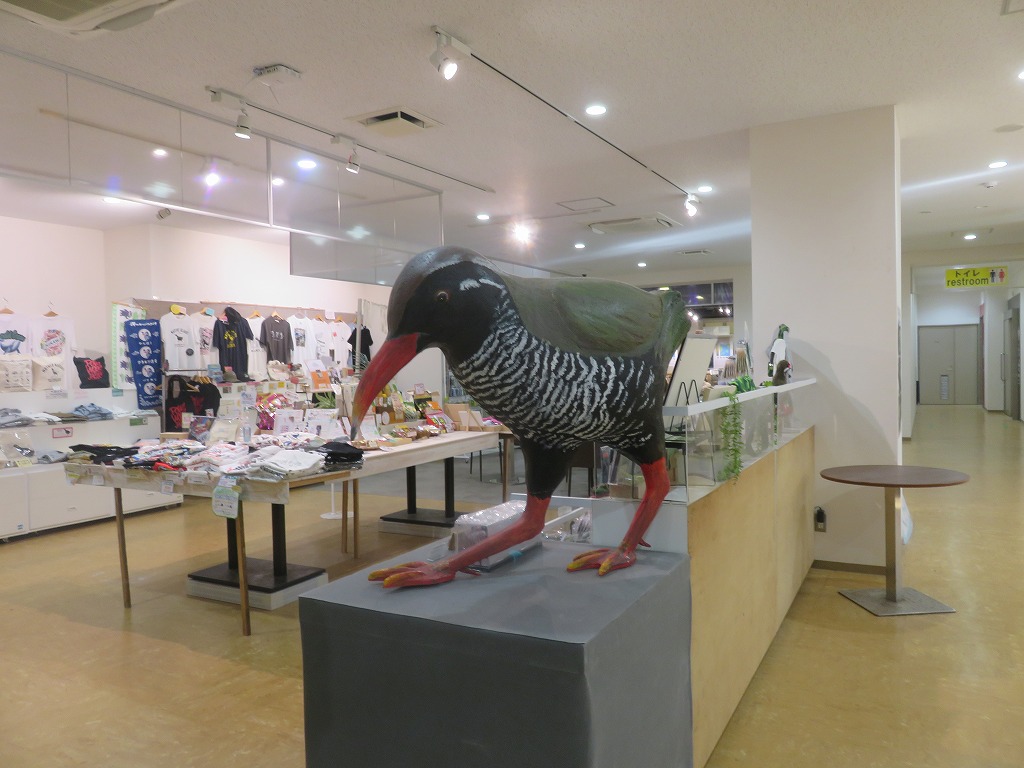
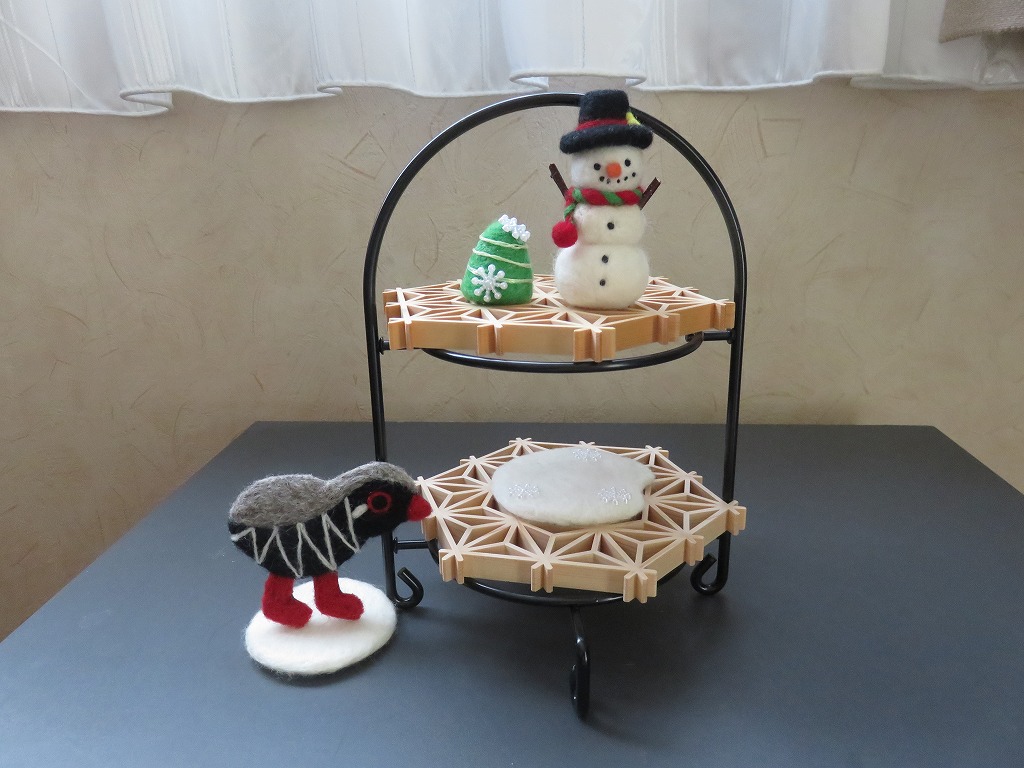
This is a needle-felted Okinawa Rail souvenir that was available at Naha Airport. It captures the bird’s distinctive features, such as its bright red beak and legs, and the fine black-and-white horizontal stripes extending from its chest to its belly.
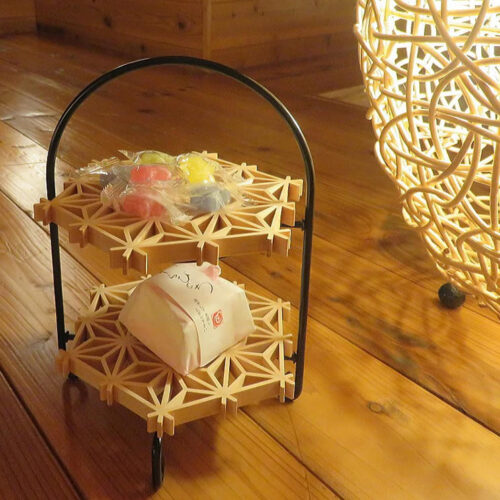
Kumiko cake stand >
Local Specialities of the Yanbaru Region
Kunjan Nantu
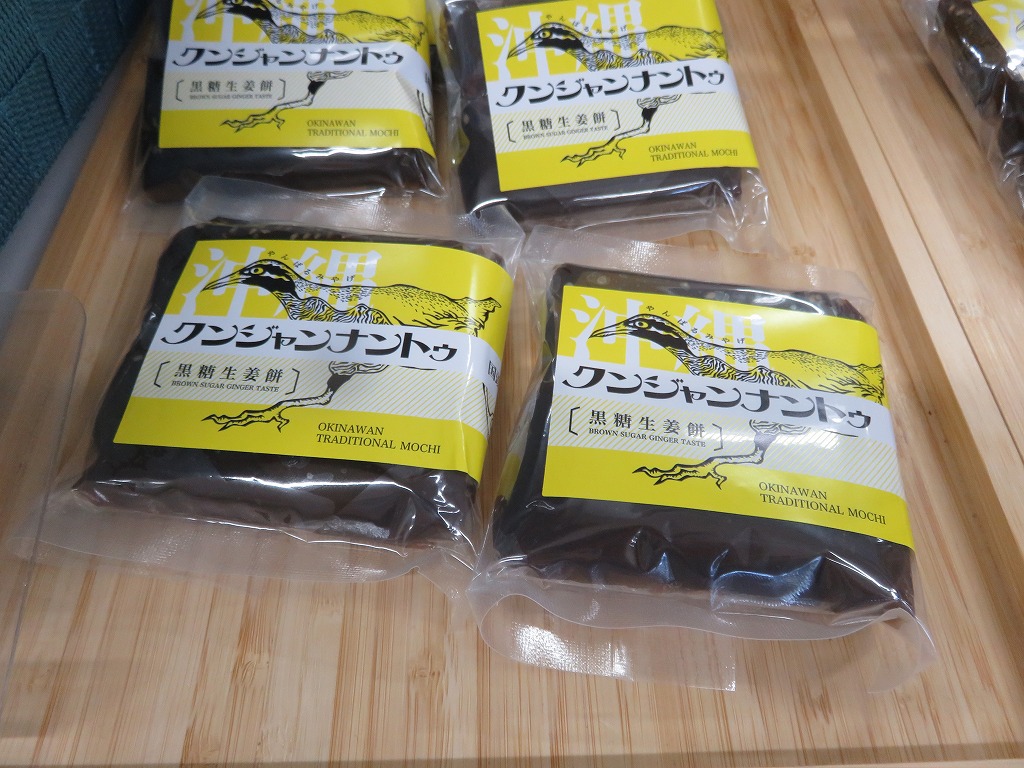
“Kunjan” is the local name for the Kunigami area, and “Nantu” refers to a traditional Okinawan rice cake. This deep brown mochi is generously seasoned with brown sugar and ginger, offering a rich and warming flavor.
Shikkuwasa (Okinawan Lime)
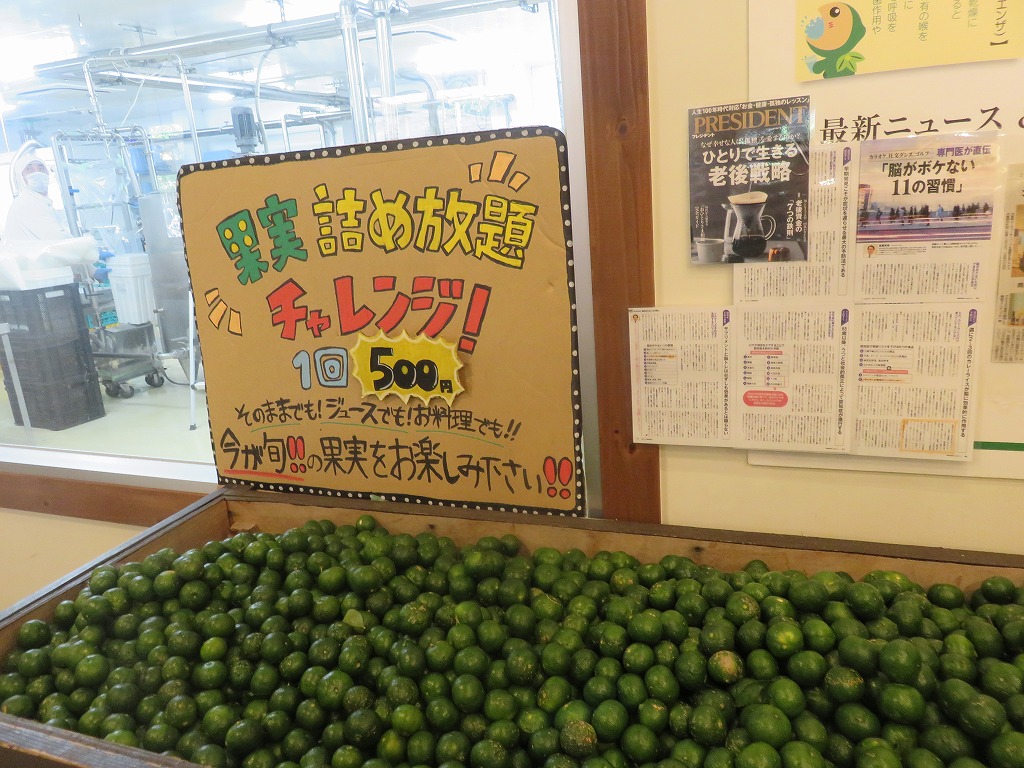
The Shikkuwasa is a citrus fruit native to the region stretching from Okinawa to Taiwan. While its standard Japanese name is Hiramilemon (flat lemon), it is widely known by its Okinawan name, Shikkuwasa.
In the Okinawan dialect, “Shii” means something sour, and “Kwasa” refers to something to eat or a provider of food. Together, the name reflects its role as a traditional souring agent in the local diet.
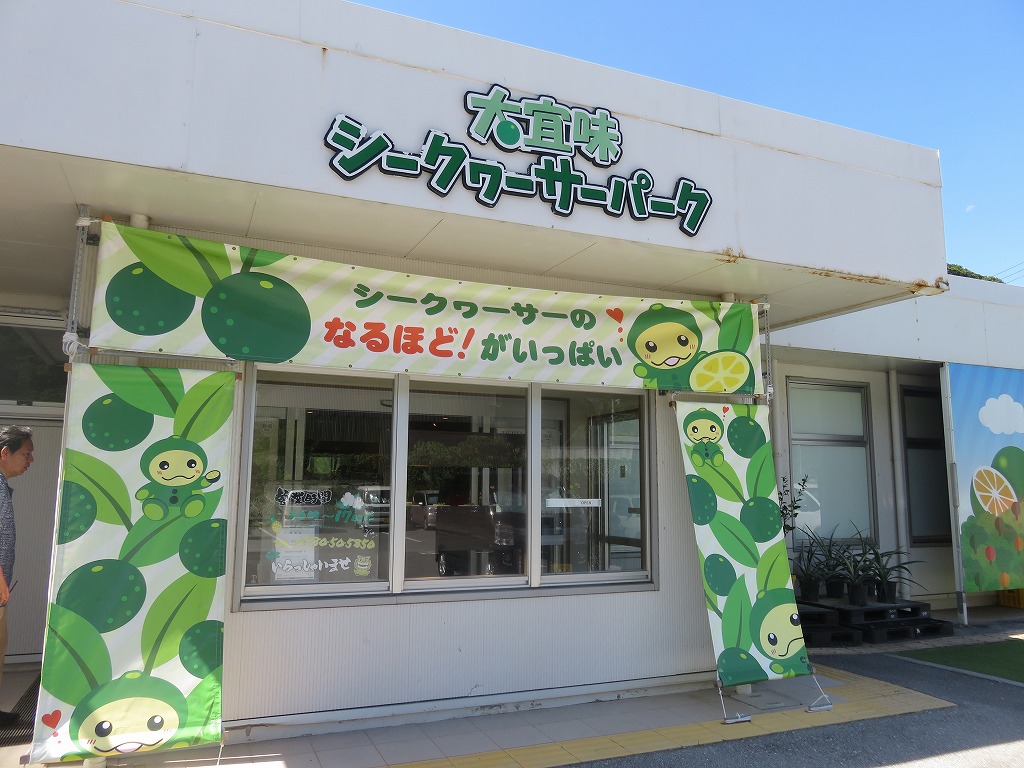
This is a Shikuwasa theme park in Ogimi Village. You can visit the processing factory and sample the fruit.

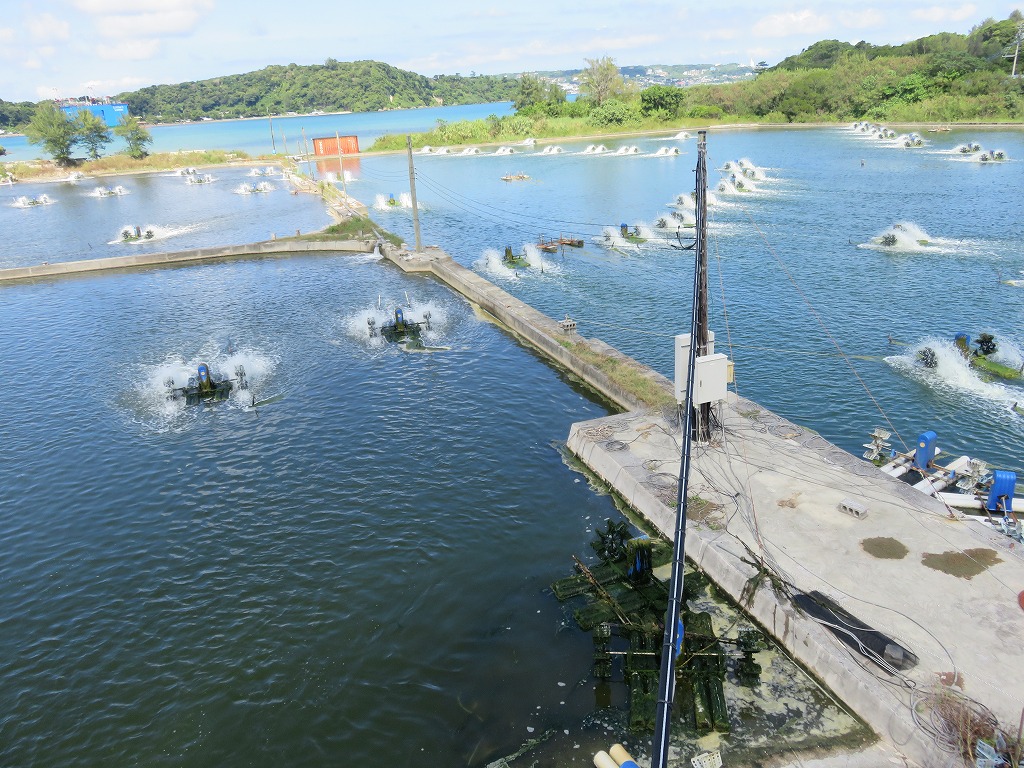
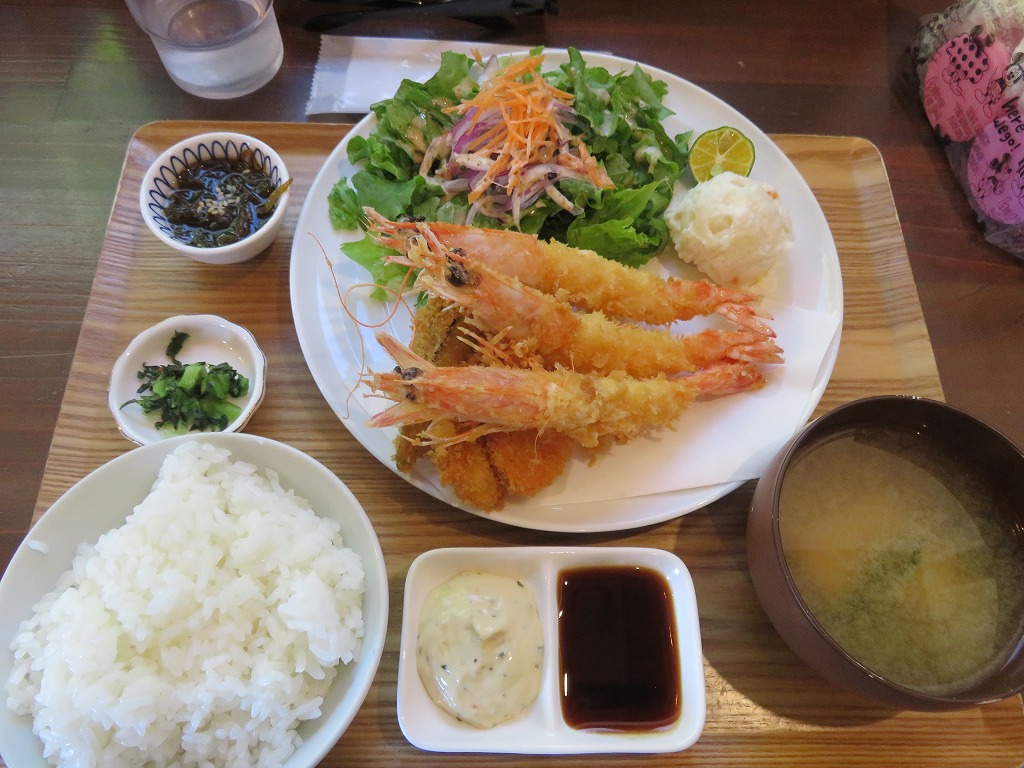
Japanese Tiger Prawns (Kuruma Ebi)
Having overcome numerous challenges over the years, Okinawa’s tiger prawn aquaculture now boasts one of the highest production volumes in Japan.
Muchi (Oni-mochi)
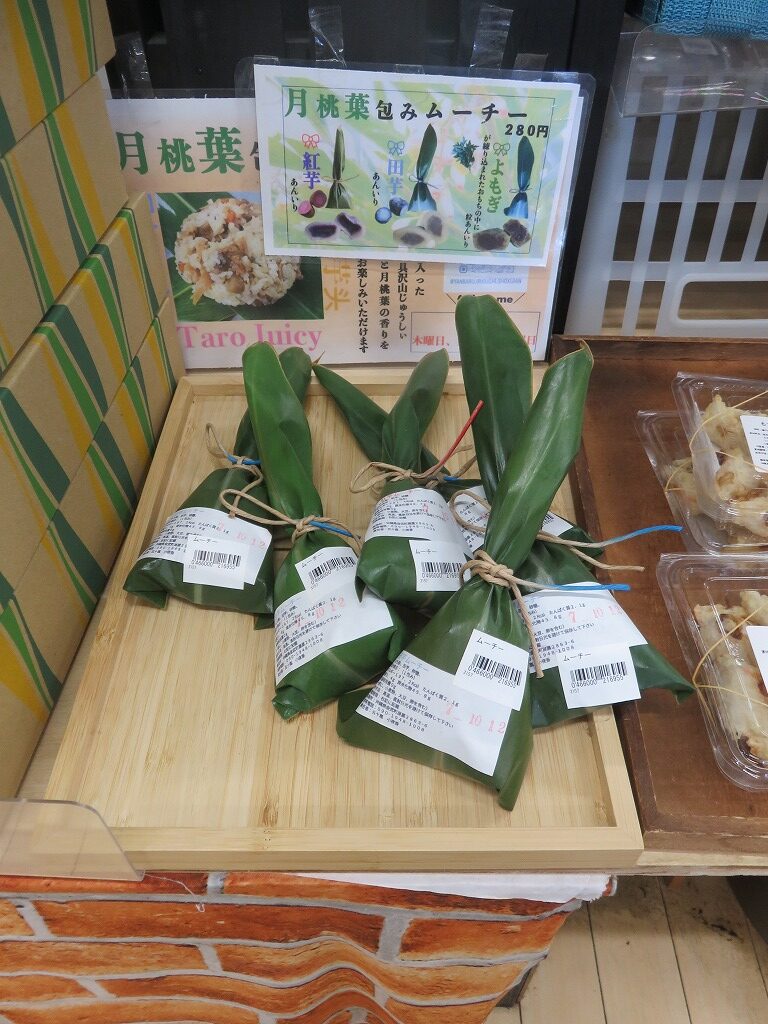
Muchi is a traditional Okinawan steamed rice cake made from pounded glutinous rice flour, wrapped in the aromatic leaves of the shell ginger plant, known locally as “Sannin.”
The name literally means “Oni-mochi,” referring to the Oni—the legendary creatures of Japanese folklore. This tradition originates from an ancient folk tale and is deeply cherished today as a way to pray for family health and to ward off misfortune.