Southern Yamaguchi Prefecture
It is still fresh in our memories that Yamaguchi City was ranked 3rd in “52 Places to Go in 2024” published by The New York Times, which became a hot topic in Japan with a touch of surprise. While I had been wanting to revisit the area for a long time, I had missed the opportunity, but I was finally able to visit this time. I will introduce it in two parts: southern and northern.
Kintai Bridge (Iwakuni City)
One of Japan’s Largest and Most Beautiful Wooden Bridges
Kintai Bridge is a stunning five-arch wooden bridge with a total length of approximately 200 meters, built in 1673 by Hiroyoshi Kikkawa, the lord of the Iwakuni Domain. It is counted as one of Japan’s Three Famous Bridges, alongside Nihonbashi and Nagasaki Megane Bridge (Spectacles Bridge). Around 1,500 cherry trees, including Somei-yoshino, are planted in the surrounding area, offering a breathtaking view during this season.
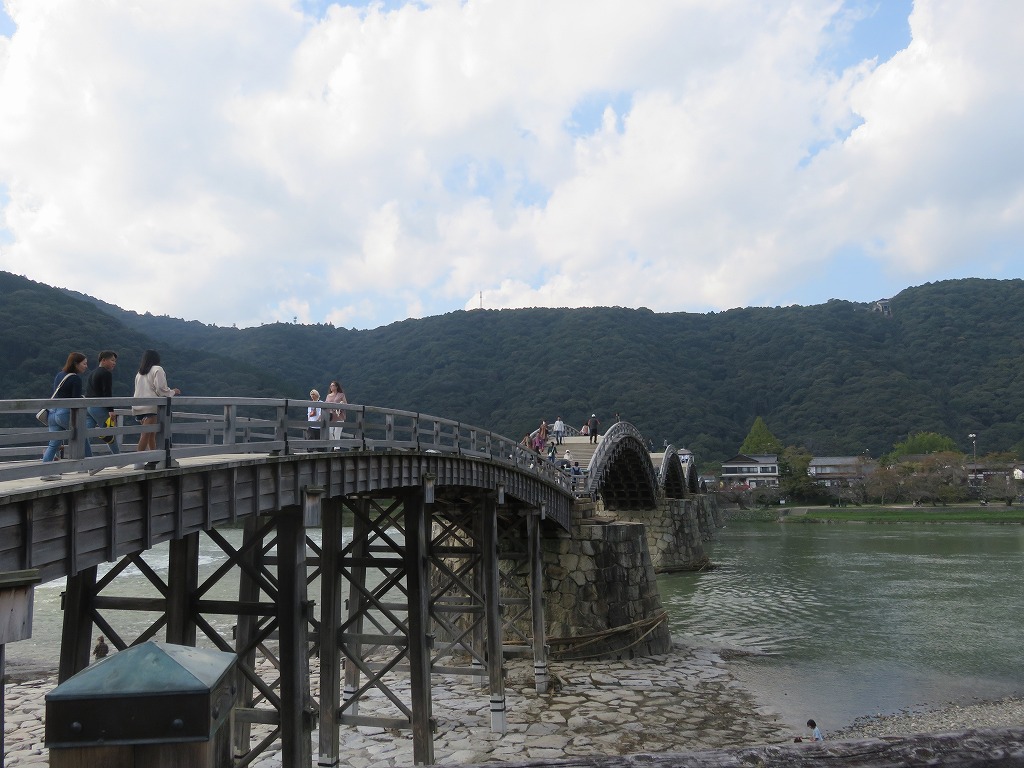

Parking is free at the Yokoyama Riverside Sports Ground, though a fee is required to cross the bridge. These proceeds are likely used for maintaining the wooden plank walkway. Combo tickets (set tickets) are also available, which include admission to the nearby Iwakuni Castle and the ropeway.
Location: Iwakuni-Yokoyama, Iwakuni City, Yamaguchi Prefecture
Access: Approx. 15 min by bus or 10 min by taxi from Shin-Iwakuni Station
Open: 24 hours (Accessible anytime).
Local Specialties of Iwakuni City
Across the Kintai Bridge, you will find a row of restaurants and souvenir shops. Some of these establishments serve authentic local dishes, such as Iwakuni-zushi and Renkon-men (lotus root noodles).
Iwakuni-zushi
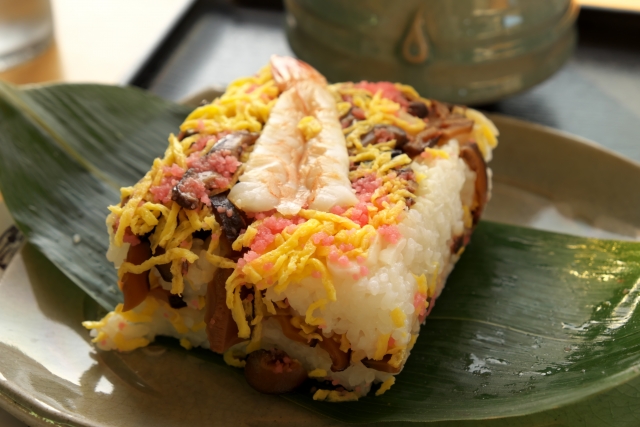
Iwakuni-zushi is a colorful pressed sushi created by layering vinegared rice in a large wooden frame. It is topped with various ingredients until the rice is hidden, including shredded egg (Kinshi-tamago), shiitake mushrooms, fish flakes (Denbu), and pickled slices of the locally grown Iwakuni lotus root. Chiyo Uno, a famous writer from Iwakuni, loved this dish so much that she described it as an “Sushi Sandwich” in many of her books. It is also known as “Tonosama-zushi” (Lord’s Sushi), based on the legend that it was presented to and enjoyed by the Lord of the Iwakuni Domain, Kikkawa, during the Edo period.
Renkon-men (Lotus Root Noodles)
These udon noodles are made by kneading Yamaguchi-grown lotus roots into the dough. While the color reflects the essence of lotus root, the texture is not crunchy (Shaki-shaki) as one might expect. In fact, it tastes like standard noodles, offering a different experience from what the appearance suggests.

Hofu Tenmangu Shrine (Hofu City)
The First Tenjin Shrine Ever Built in Japan
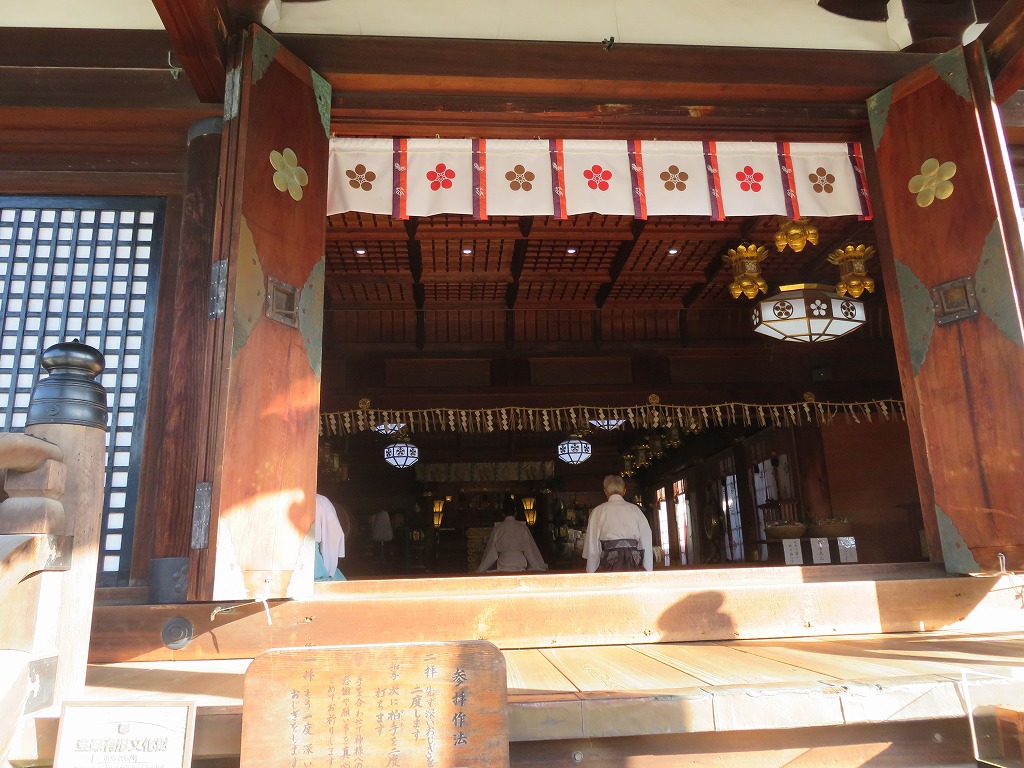
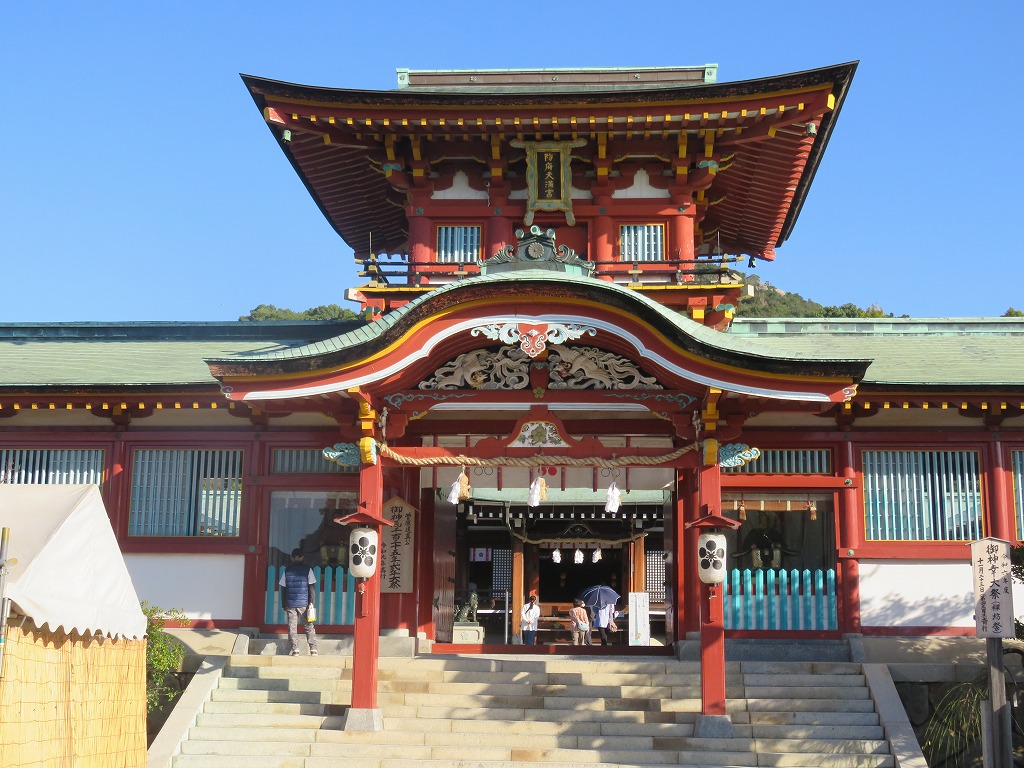
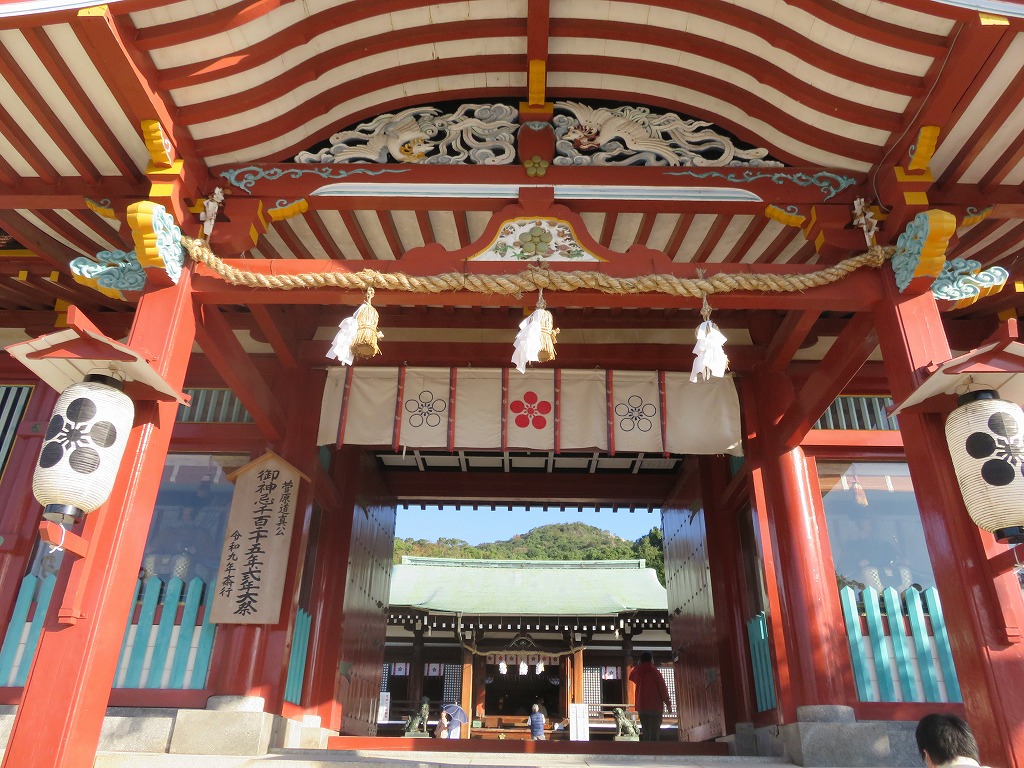
Founded in the Heian period to deify Sugawara-no-Michizane, Hofu Tenmangu is considered one of Japan’s Three Great Tenjin Shrines, alongside Dazaifu Tenmangu in Fukuoka and Kitano Tenmangu in Kyoto. In mid-February, the shrine grounds are enveloped in the sweet fragrance of approximately 1,100 blooming plum trees.
Shunpuro (Spring Breeze Pavilion)
Located in the southwest corner of the Hofu Tenmangu grounds, Shunpuro is designated as a Registered Tangible Cultural Property of Japan, along with the Haiden (worship hall).
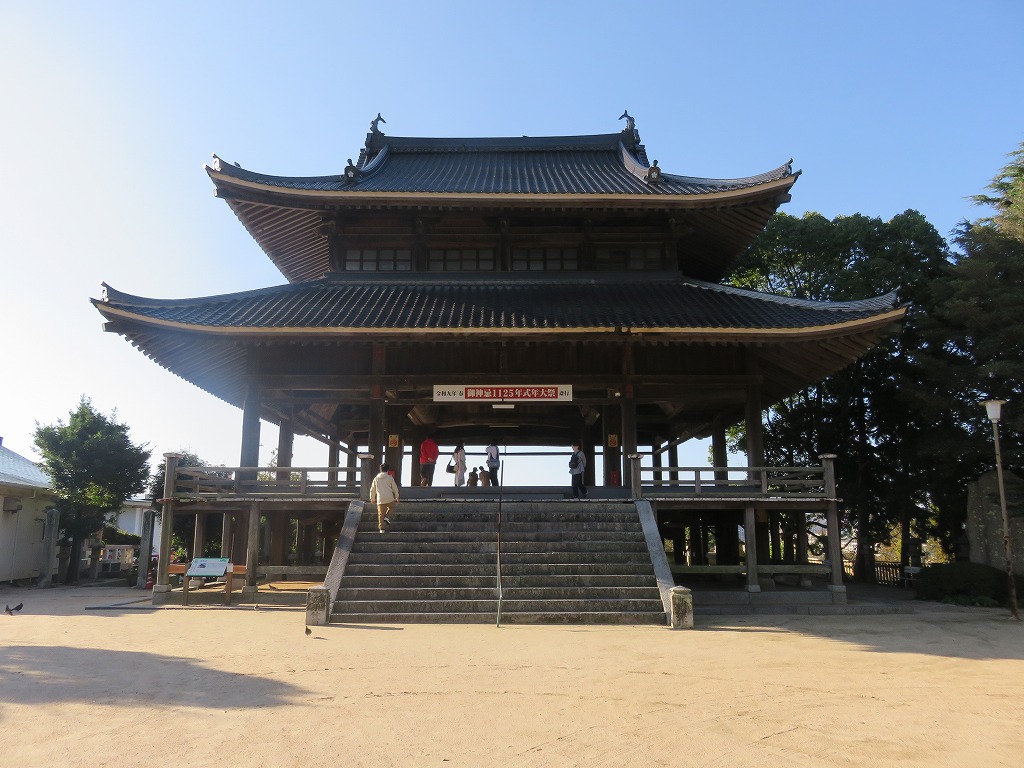
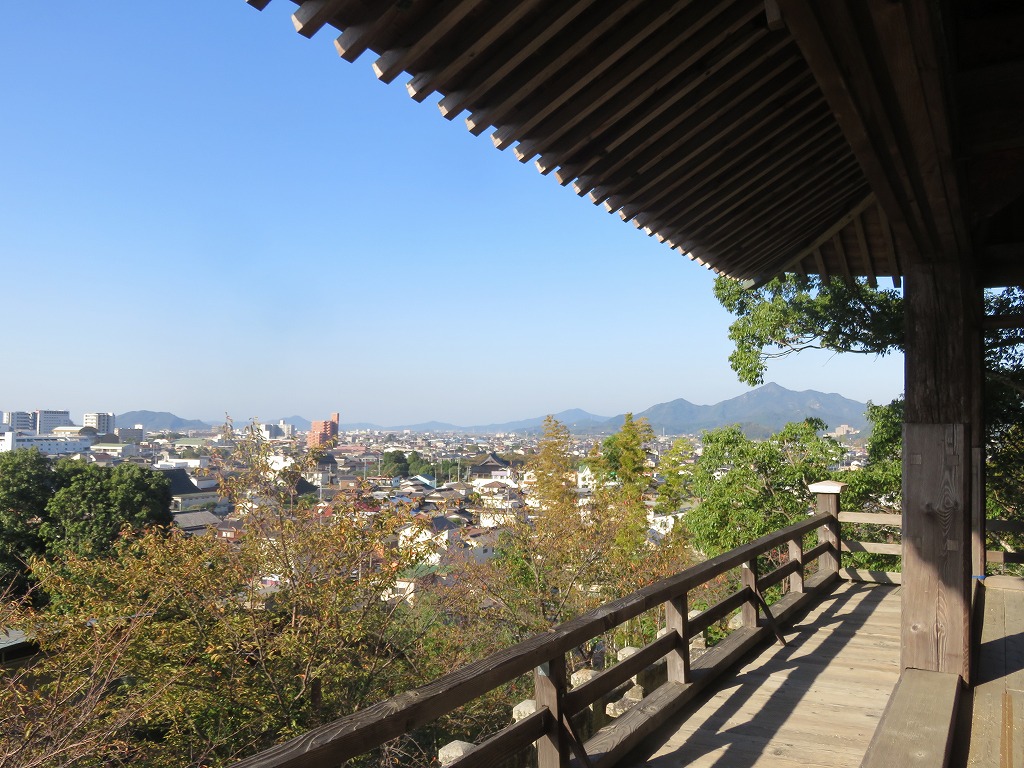
From the pavilion, you can enjoy a panoramic view of the Hofu city skyline.
Location: 14-1 Matsuzaki-cho, Hofu City, Yamaguchi Prefecture
Access: Approx. 15-minute walk from Hofu Station on the Sanyo Main Line
Hours: Open 6:00 AM – 8:00 PM.
Akiyoshidai Plateau (Mine City)
A Landscape That Resembles a Flock of Grazing Sheep
Akiyoshidai is one of Japan’s largest karst plateaus, located in the central and eastern parts of Yamaguchi Prefecture. Designated as a Quasi-National Park (Akiyoshidai Quasi-National Park) in 1955 and a Special Natural Monument in 1964, it offers a unique landscape where countless white limestone rocks dot the endless grasslands. These limestone formations originated as coral reefs in southern seas approximately 350 million years ago, taking their current form over an immense span of time.
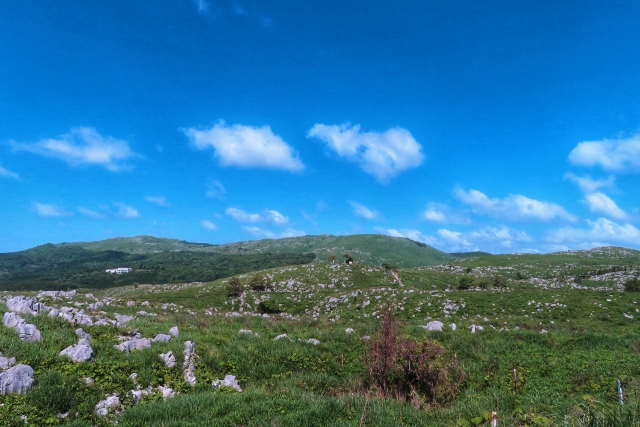
Location: Akiyoshidai-san, Shuho-cho Akiyoshi, Mine City, Yamaguchi Prefecture
Access: 40-minute bus ride from JR Shin-Yamaguchi Station to “Akiyoshido” stop, then a 30-minute walk.
Approx. 10-minute drive from “Akiyoshidai IC” via the Ogori-Hagi Road (Mine Higashi JCT).
Karst Road (Mine City)
A Scenic Drive Cutting Through the Heart of Akiyoshidai
The Karst Road allows you to enjoy the stunning scenery of Akiyoshidai from your car. This 13-kilometer stretch of sightseeing road is part of Yamaguchi Prefectural Route 242 (Akiyoshidai Park Line).
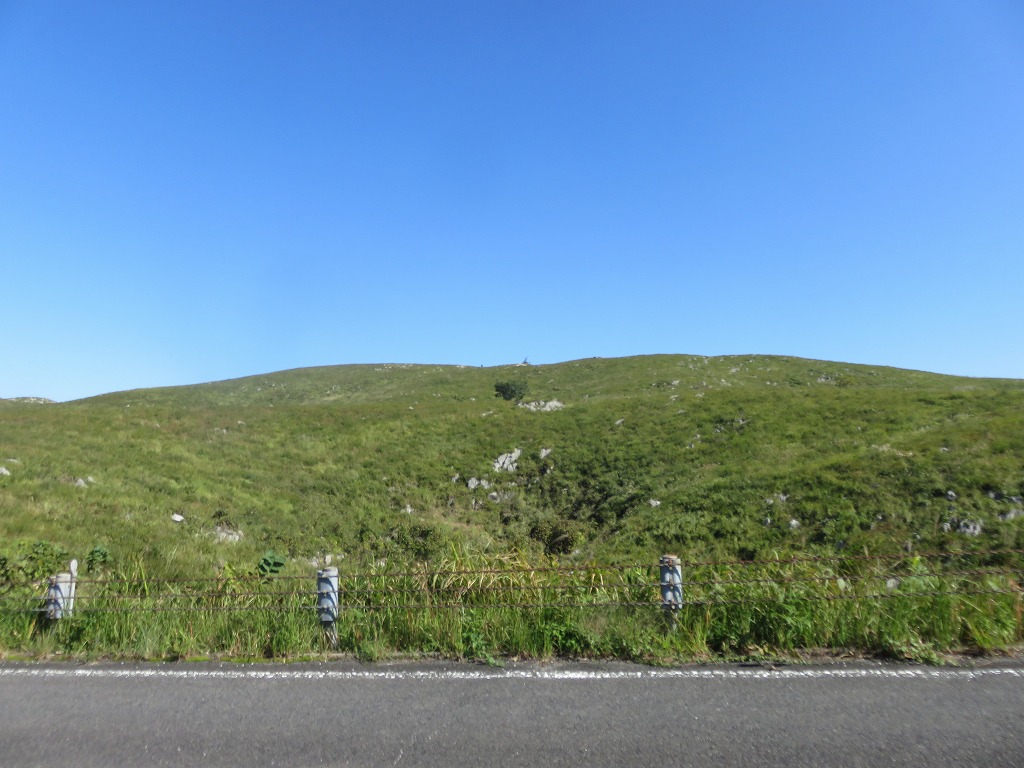
Akiyoshido Cave (Mine City)
A Magnificent Cave Originating from 350-Million-Year-Old Coral Reefs
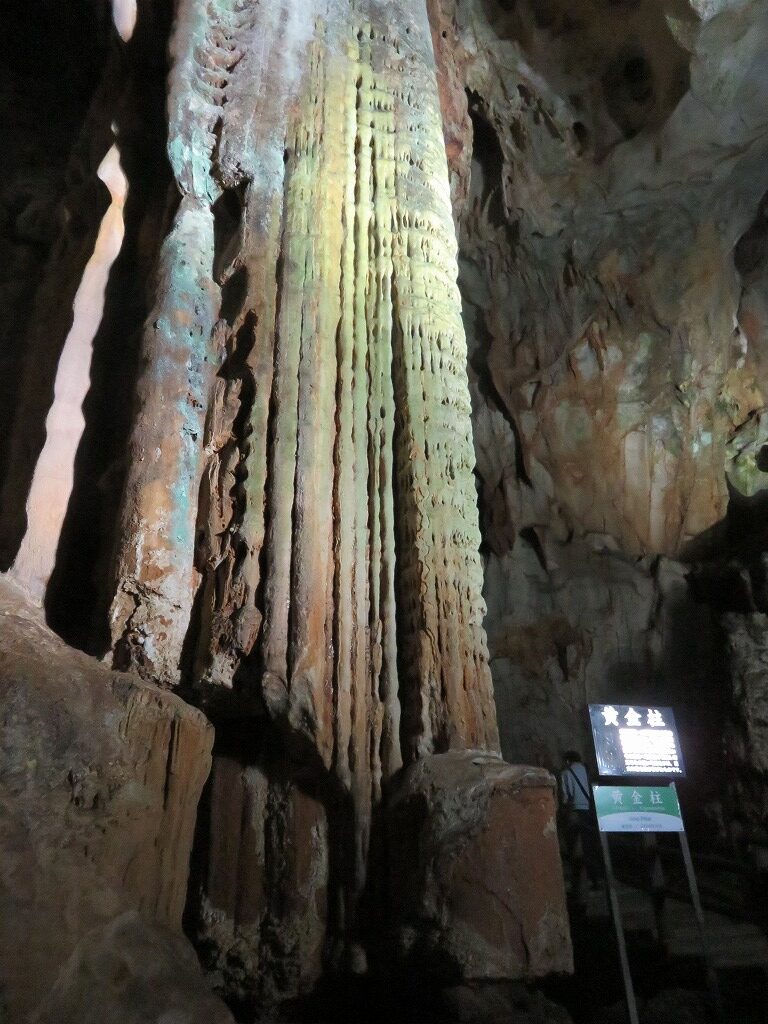
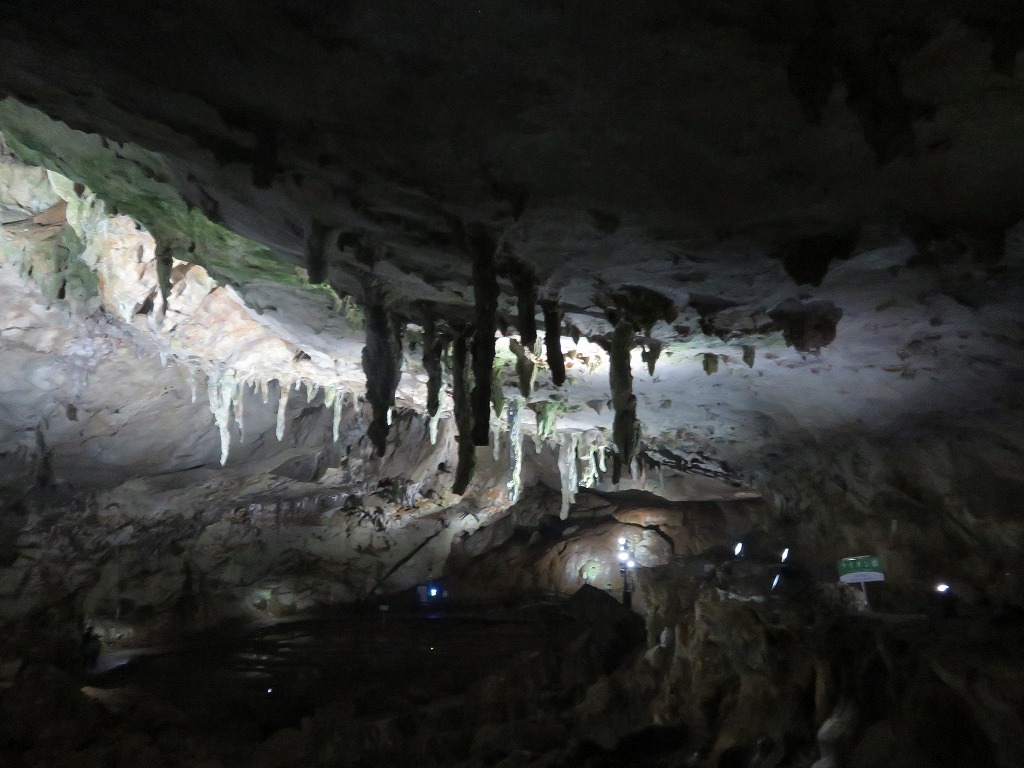
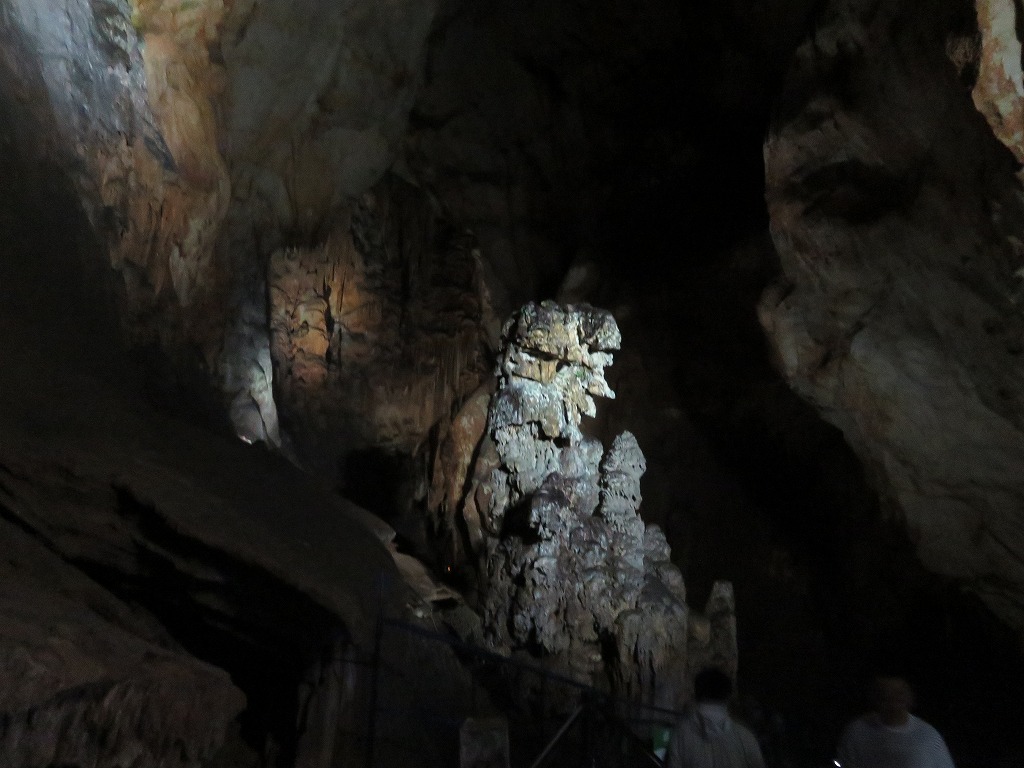
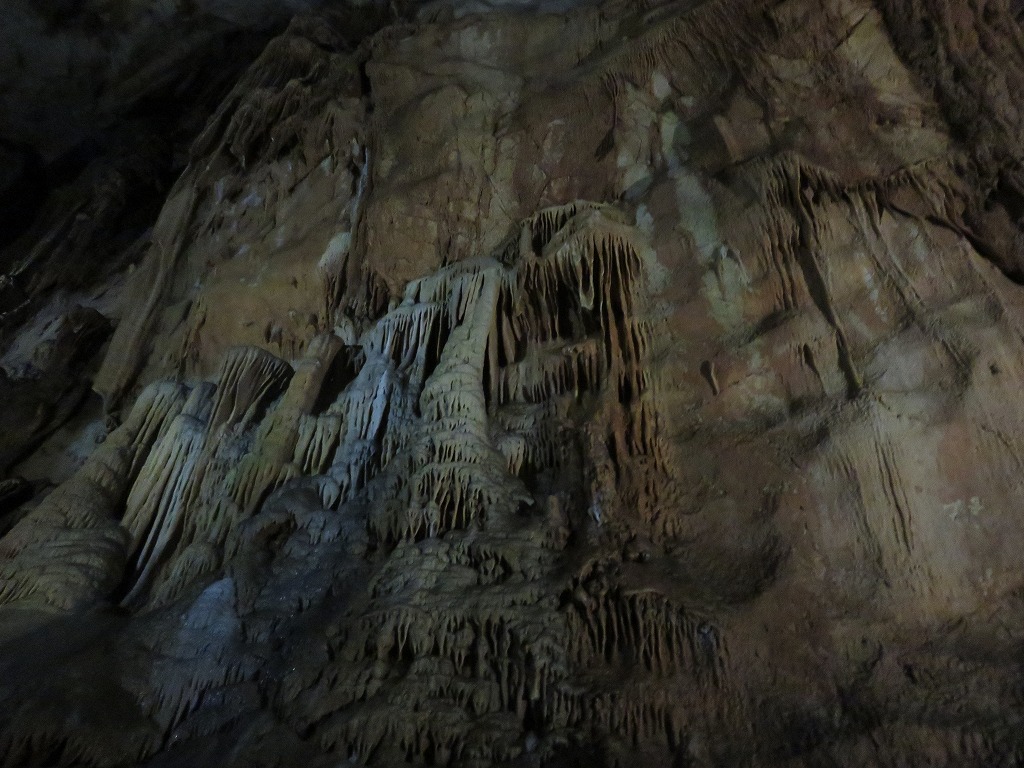
Akiyoshido is one of Japan’s premier limestone caves, situated 100 meters beneath the Akiyoshidai Quasi-National Park and designated as a Special Natural Monument. With a total length of 11.2 km, it ranks as the second longest in the country, featuring a 1-km section open to tourists. The temperature inside remains a constant 17°C (63°F) year-round, making it cool in summer and warm in winter. An elevator located mid-way through the cave provides direct access to the Akiyoshidai Karst Observatory above.
The cave is filled with illuminated highlights, such as the 15-meter-high “Koganbashira” (Golden Column) and the “Hyakumaisara” (Hundred Saucers), which resemble terraced rice fields. Since it takes approximately 100 years for a stalactite to grow just 1 cm, these grand structures represent an immense span of time, evoking a sense of eternal romance.



Location: 3449-1 Akiyoshi, Shuho-cho, Mine City, Yamaguchi Prefecture
Access: Approx. 40-minute bus ride from JR Shin-Yamaguchi Station to “Akiyoshido” stop.
A 5-minute drive from “Akiyoshidai IC” via the Ogori-Hagi Road (Mine Higashi JCT).
Admission: 8:30 AM – 5:30 PM (Closes at 6:30 PM) *March to November/8:30 AM – 4:30 PM (Closes at 5:30 PM) *December to February
Last entry from Kurotani or Elevator entrance is 4:30 PM.