Create Your Own Otemae Set While Traveling Across Japan
Many people would like to enjoy matcha at home easily, even if they have never formally studied the tea ceremony. For them, various simple tea tool kits called “Otemae Sets” are available. Matcha is especially popular among international visitors to Japan, and tea ceremony experiences are highly sought after by those wanting to try this classical Japanese tradition. “Otemae Sets” are also popular with those who want to recreate the tea preparation they experienced in Japan after returning to their home countries.
However, since commercially available “Otemae Sets” come with pre-selected items, you might find that some pieces do not match your personal taste. If that is the case, why not create your own? By making the tools yourself or choosing them one by one, you will develop a deeper attachment to each piece. Why not create an original Otemae set while traveling, feeling the history and traditional craftsmanship of each item? It is sure to become a wonderful memory of your trip.
Collecting Tools Through Hands-on Craft Experiences
Selecting and Collecting Tools Locally
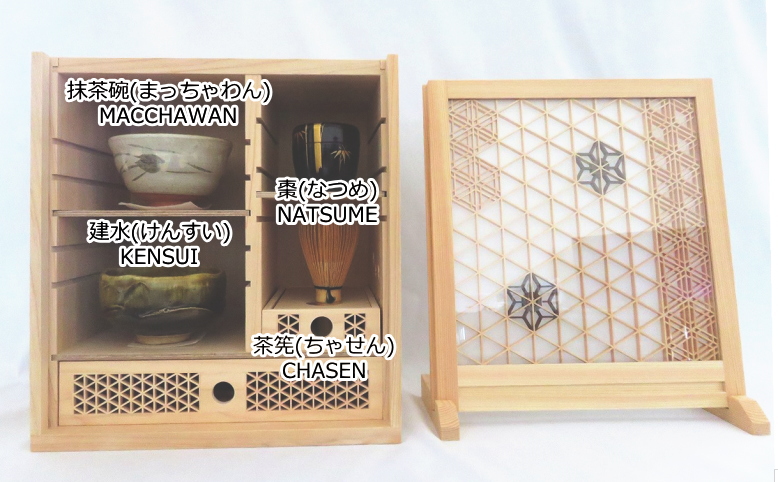
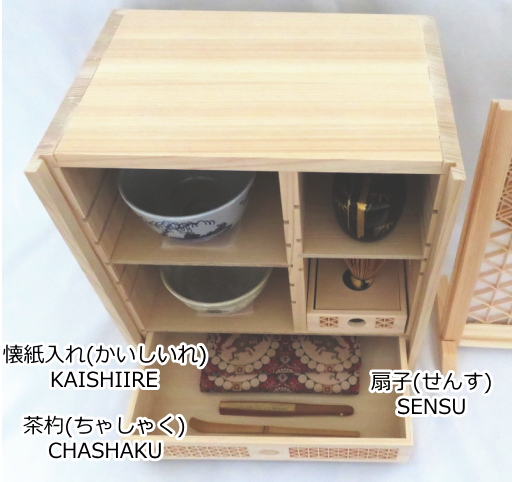
As for the container to hold your tea tools, a simple tray will do, but a “Cha-dogu-bako” (tea tool box) like the one in this photo can protect your precious tools from UV rays and dust. Furthermore, just having it on display gives it a presence like a decorative craft piece. It also makes an excellent choice for a sophisticated gift.
Details of this Tea Tool Shelf (Cha-dogu-tana)
Complete Your Tea Tool Set Through Hands-on Craft Experiences
Matcha Chawan (Tea Bowl), Kensui (Waste Water Bowl), and Chakin-tsutsu (Tea Cloth Tube)
Kensui: Also known as Mizu-koboshi, this is a vessel used to discard the hot water or cold water after rinsing the tea bowl.
Chakin-tsutsu: This is a container used to hold the Chakin (a small linen cloth used to wipe the tea bowl).
All of these can be made of ceramic and are basically possible to create in pottery-making experience courses. While Kensui and Chakin-tsutsu can also be made from other materials such as wood or metal, ceramics are a classic choice. In the world of tea ceremony, there is a famous ranking for Matcha tea bowls known as “First Raku, Second Hagi, and Third Karatsu.” Raku-yaki (Kyoto City, Kyoto Prefecture) has long been favored by tea masters and is ranked first in status. Second is Hagi-yaki (Hagi City, Yamaguchi Prefecture), and third is Karatsu-yaki (Karatsu City, Saga Prefecture).
However, Japan has many other charming pottery-producing regions with long histories. If you find a style that suits your taste during your travels, it is a great idea to make these vessels at a local pottery workshop. In many pottery experiences, the studio will fire and complete the piece for you, and then ship it to you (with shipping costs usually paid by the participant). Please confirm the details before joining.
Raku Chawan Pottery Experience (Kyoto City, Kyoto Prefecture)
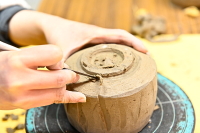
This studio offers a course where you can take your time and enjoy the experience over a full day.
Location: Raku-yaki Kamamoto Rakunyu
Explore more details
Hagi-yaki Pottery Experience (Hagi City, Yamaguchi Prefecture)
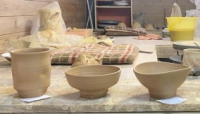
This studio allows you to experience the unique, soft texture and warm colors that are characteristic of traditional Hagi-yaki.
Location: Hagi-yaki Kamamoto Ryokueigama
Explore more details
Kishu-yaki Pottery Experience (Shirahama-cho, Nishimuro-gun, Wakayama Prefecture)
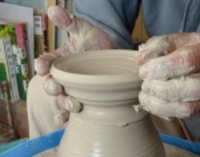
A wide variety of tea tools can be crafted here.
Location: Kishu-yaki Aoigama
Explore more details
Chashaku (Tea Scoop) and Chasen (Tea Whisk)
Chasen: A bamboo tool used to mix matcha and hot water after they are placed in a matcha bowl.
Both are crafted from bamboo, utilizing traditional bamboo-working techniques. While bamboo crafts like practical baskets, strainers, and furniture are produced in large quantities throughout Japan, workshops where you can experience making Chashaku and Chasen are quite limited. There is a place in Nara Prefecture where you can experience crafting both, which we will introduce here.
Chasen and Chashaku Making Experience (Ikoma City, Nara Prefecture)
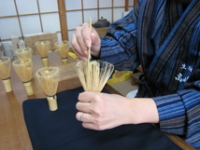
Location: Suikaen Tanimura Yasaburo
Explore more details
Natsume (Tea Caddy)
Because of its specific shape, crafting and decorating a Natsume requires high-level skills. Consequently, there are very few places where you can experience making one. It appears that a traditional Makie (gold lacquer) company in Ishikawa Prefecture has occasionally held temporary Natsume decorating workshops. Please check their future schedule. Since a Natsume is a delicate container for matcha, purchasing a finished product might be a good option.
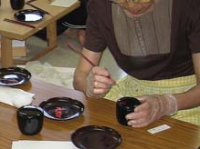
Makie (Gold Lacquer) Workshop (Kaga City, Ishikawa Prefecture)
Location: Urushigei Yoshita Kasho Kobo
Explore more details
When planning your visit, please check the latest information for each location.
Completing Your Tea Tool Set by Visiting Production Areas
Matcha Chawan (Tea Bowl), Kensui (Waste Water Bowl), and Chakin-tsutsu (Tea Cloth Tube)
Japan has many types of pottery certified as traditional crafts. Each has its own unique characteristics, so why not visit the production area of the pottery you like and find your favorite tools? Visiting in person allows you to confirm the texture, feel, and size, which can be difficult to perceive through online sales.
Raku-yaki (Raku Ware)
Raku-yaki is also simply called “Raku.” It is a type of pottery created by Chojiro under the orders of Sen no Rikyu specifically for the purpose of drinking matcha. It is crafted solely through “Te-zukune” (hand-kneading) without using a pottery wheel.
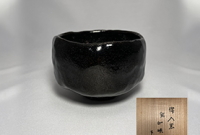
Retailer: Uno Shoten (Higashiyama-ku, Kyoto City)
Explore more details
Retailer: Raku-yaki Kamamoto Waraku (Higashiyama-ku, Kyoto City)
Explore more details
Hagi-yaki (Yamaguchi Prefecture)
Hagi-yaki is known for its soft clay and water absorbency. Through a process called “Hagi-no-Nanabake,” tea seeps into the “Kannyu” (glaze cracks) over time, beautifully changing the vessel’s color. This allows you to enjoy the unique Japanese aesthetic of a tool maturing the more it is used.
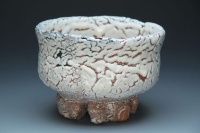
Retailer: Miwa Seigado (Yoshida-cho, Hagi City) Explore more details
This is a gallery-style Hagi-yaki Chawan specialty store that exclusively handles matcha tea bowls from carefully selected artists within and outside Hagi City.
Karatsu-yaki (Saga Prefecture)
Karatsu-yaki is characterized by its rustic texture using coarse clay and a wide variety of decorative techniques.
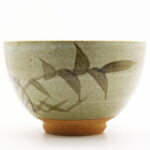
Retailer: Karatsu-yaki Cooperative Association Exhibition Hall (Shinko-machi, Karatsu City)
Explore more details
Bizen-yaki (Okayama Prefecture)
Each piece is molded from high-quality clay and fired as it is after drying, without any painting or glaze, making it a style of pottery where the “Tsuchi-aji” (natural flavor of the clay) is clearly expressed.
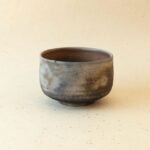
Retailer: Bizen-yaki Gallery Shozan (Inbe, Bizen City)
Explore more details
Oribe-yaki (Gifu Prefecture)
Oribe-yaki is characterized by its use of shapes, patterns, and glazes that overturned the conventional wisdom of tea ceremony ceramics at the time, such as “Kutsugata” (clog-shaped) tea bowls with intentionally distorted forms.
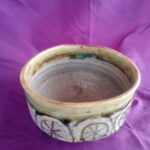
Retailer: Toki City Mino-yaki Traditional Crafts Museum (Izumi-cho, Toki City)
Explore more details
Shigaraki-yaki (滋賀県)
The charm of Shigaraki-yaki lies in its rustic clay texture and the strength that utilizes the richness of nature just as it is.
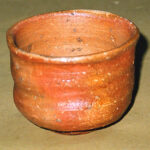
Retailer: Yamagami Toki (Shigaraki-cho, Koka City)
Explore more details
Chashaku (Tea Scoop) and Chasen (Tea Whisk)
Chashaku and Chasen are essential tools for performing the tea ceremony, and most stores that handle Matcha tea bowls also carry them. If you are looking for a high-quality, specialized item, the historic “Takayama Chasen” from Nara Prefecture is highly recommended.
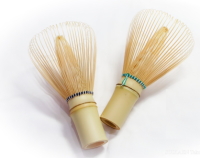
Representative Retailer: Suikaen Tanimura Yasaburo
Explore more details
Tea Tool Shelf (Chadogu-dana)
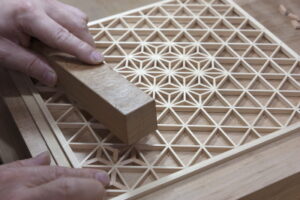
This is a tea tool shelf with adjustable dividers, featuring a built-in drawer and a Chasen stand. Openwork carvings are also featured on the side panels.
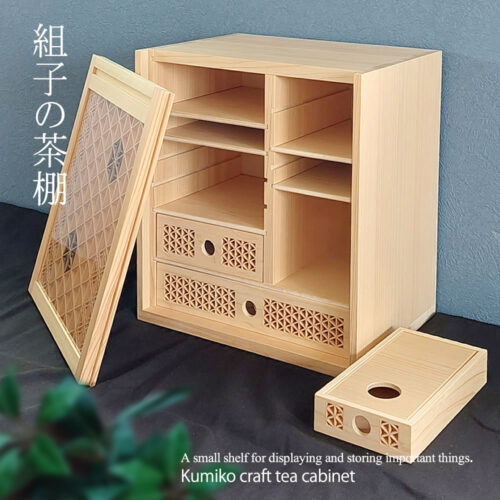
Kumiko Craft Tea Cabinet
https://teraceya.com/ja/products/kumiko-tea-shelf
/**/
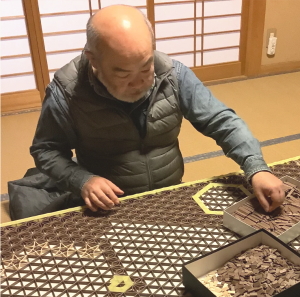
This piece is handcrafted by Takashi Morimoto, a traditional Tategu (joinery) craftsman from Morimoto Tategu-ten in Takamatsu City, Kagawa Prefecture. He has been certified as a “Contemporary Master Craftsman” by the Ministry of Health, Labour and Welfare, and creates Kumiko-zaiku (woodwork lattice) as part of his joinery work.
Matcha Bowl Display Shelf
This shelf has fixed dividers and can display four Matcha bowls. There are two types of Kumiko lattice designs available for the doors.
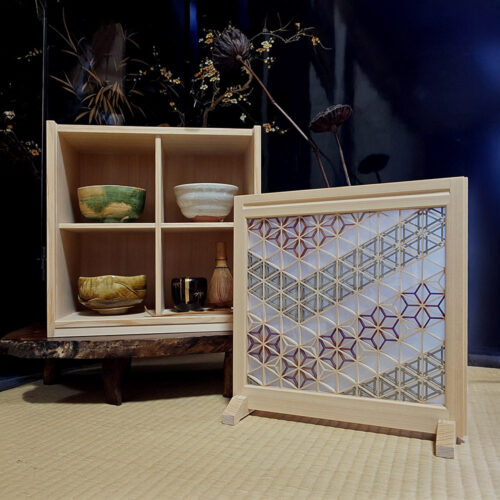
Matcha bowl display shelf with kumiko *Flower and Grass*
https://teraceya.com/ja/products/flower-kumikoshelf
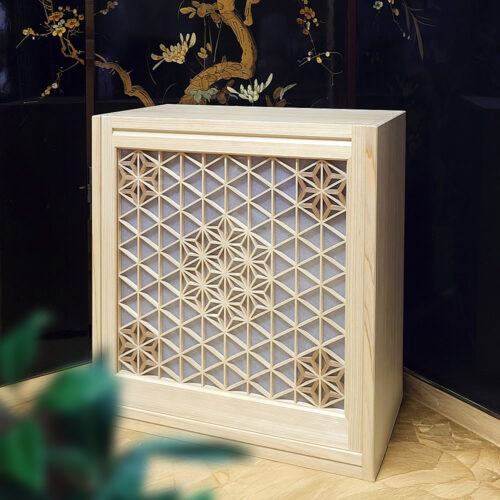
Matcha bowl display shelf made with kumiko *Hexagon*
https://teraceya.com/ja/products/kumikoshelf-hexagon
/**/
These pieces are crafted by a Japanese Sashimono (cabinet making) artisan active in Kyoto.