Jogechō Iris Festival
In June, events called “Ayame Matsuri” (Iris Festivals) are held throughout Japan. Depending on the region, the duration varies—starting as early as late May in some areas, or lasting until early July in colder regions.
Not only irises but various flower-themed events are often held throughout the seasons. Festivals take place during the peak blooming periods of flowers such as Sakura (cherry blossoms), roses, wisteria, hydrangeas, and lotus. Since people are naturally drawn to beautiful flowers, they serve as an excellent resource for gathering people.
There are countless festivals, including those in small local communities, so why not check if any festivals are being held at your travel destination? If you find one, consider stopping by. Experiencing the local dialects and daily customs can make your trip much deeper and more authentic.
This time, I attended a small iris festival held in the iris garden within “Yano Onsen Koen Shiki-no-Sato” (Seasons’ Village), located in Jogechō, a mountainous area of Fuchu City, Hiroshima Prefecture. My main purpose was not just to see the irises, but to watch “Kagura” (traditional Shinto theatrical dance), which I knew would be performed as one of the festival events.
Iris Garden at Shiki-no-Sato (Seasons’ Village)
The Commemorative 50th Ayame Matsuri (Iris Festival)
Yano Onsen Koen Shiki-no-Sato is a vast park covering 15 hectares (37 acres), featuring campgrounds and athletic facilities. In one corner of the park lies the Ayame-en (Iris Garden), where 70,000 flowers from the iris family bloom in full glory. The 50th Iris Festival was held from June 12th to June 22nd, during which an admission fee of 400 yen for adults and 200 yen for children was required.
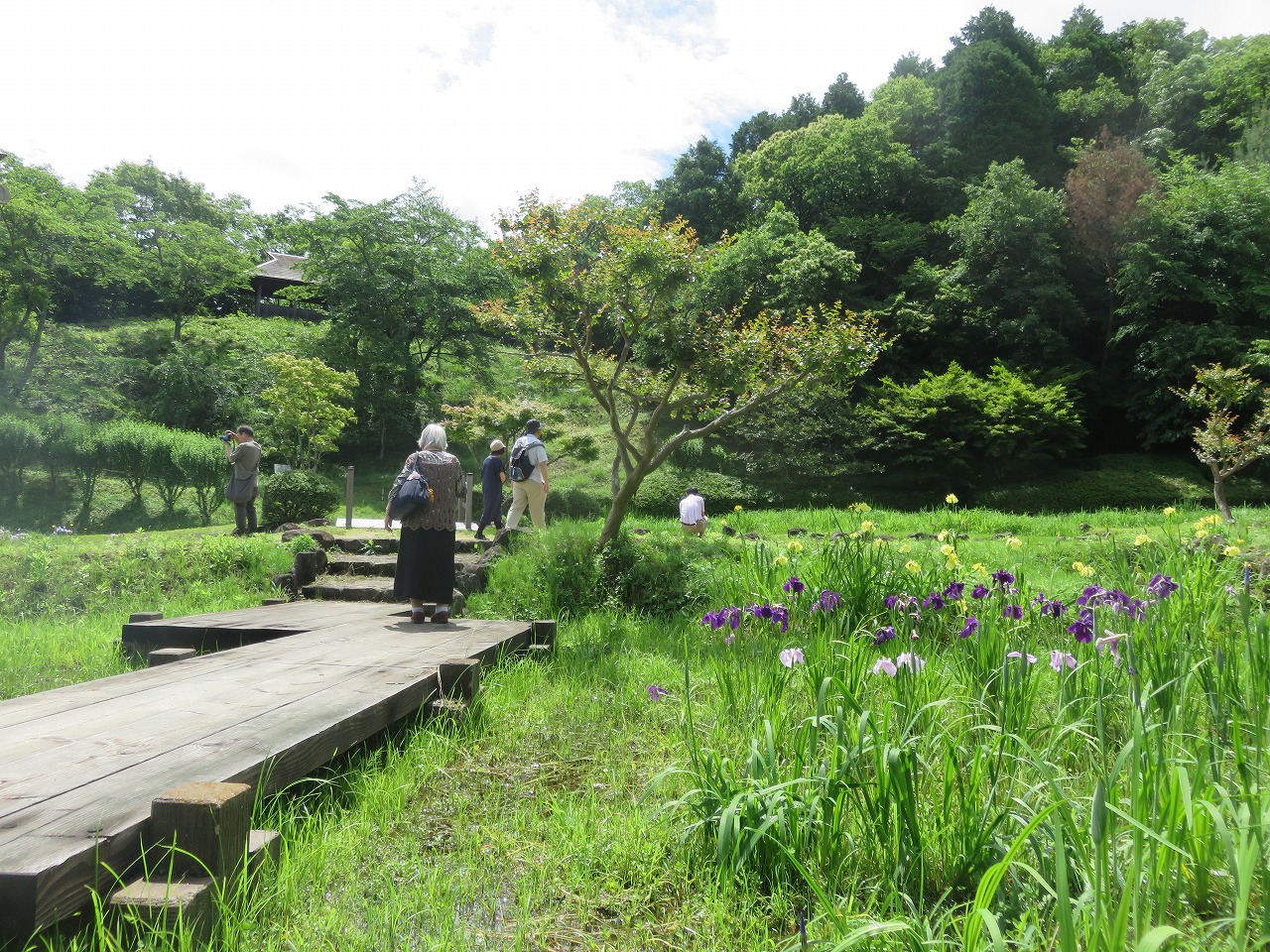
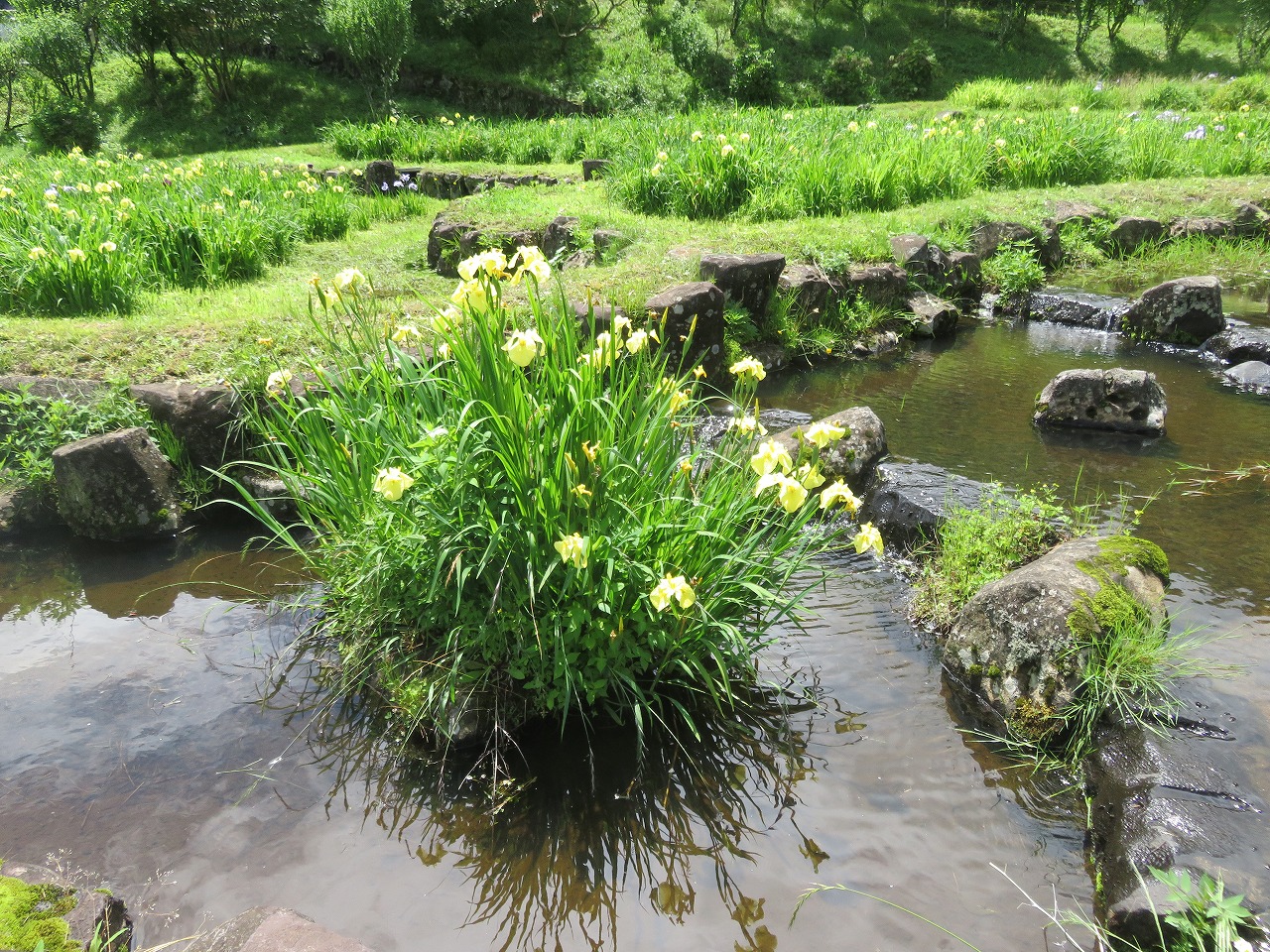
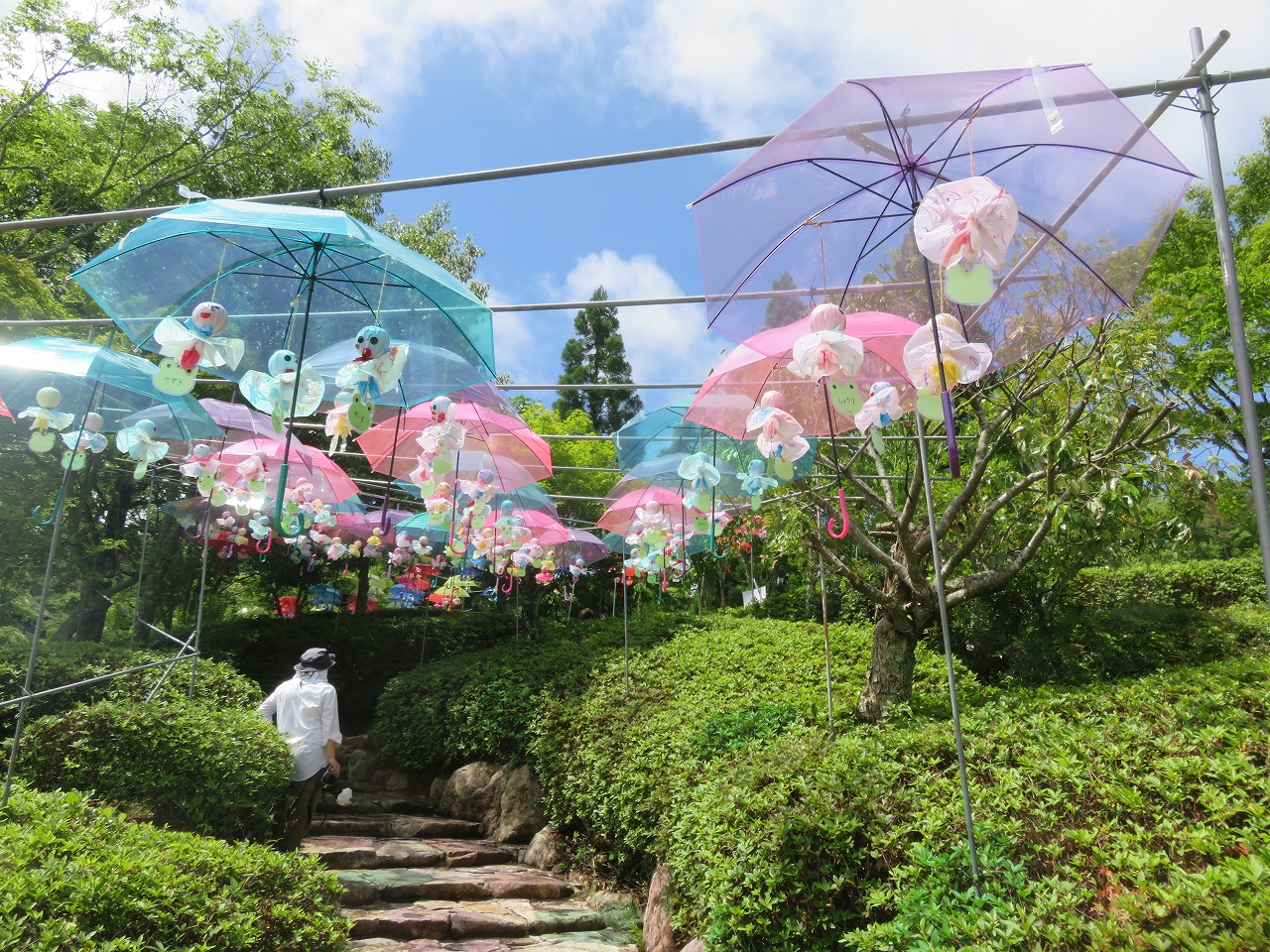
Location: 691-2 Yano, Jogechō, Fuchu City, Hiroshima Prefecture
Access: 36-minute walk from Bingo-Yano Station
Closed: Every Wednesday (or the following day if Wednesday is a holiday) and from Dec 29th to Jan 3rd.
The festival featured various events, such as Wadaiko (Japanese drum) performances by local children, Haniwa (clay figure) making workshops, and a flea market.
Kagura and Fuku-maki (Tossing Good Fortune)
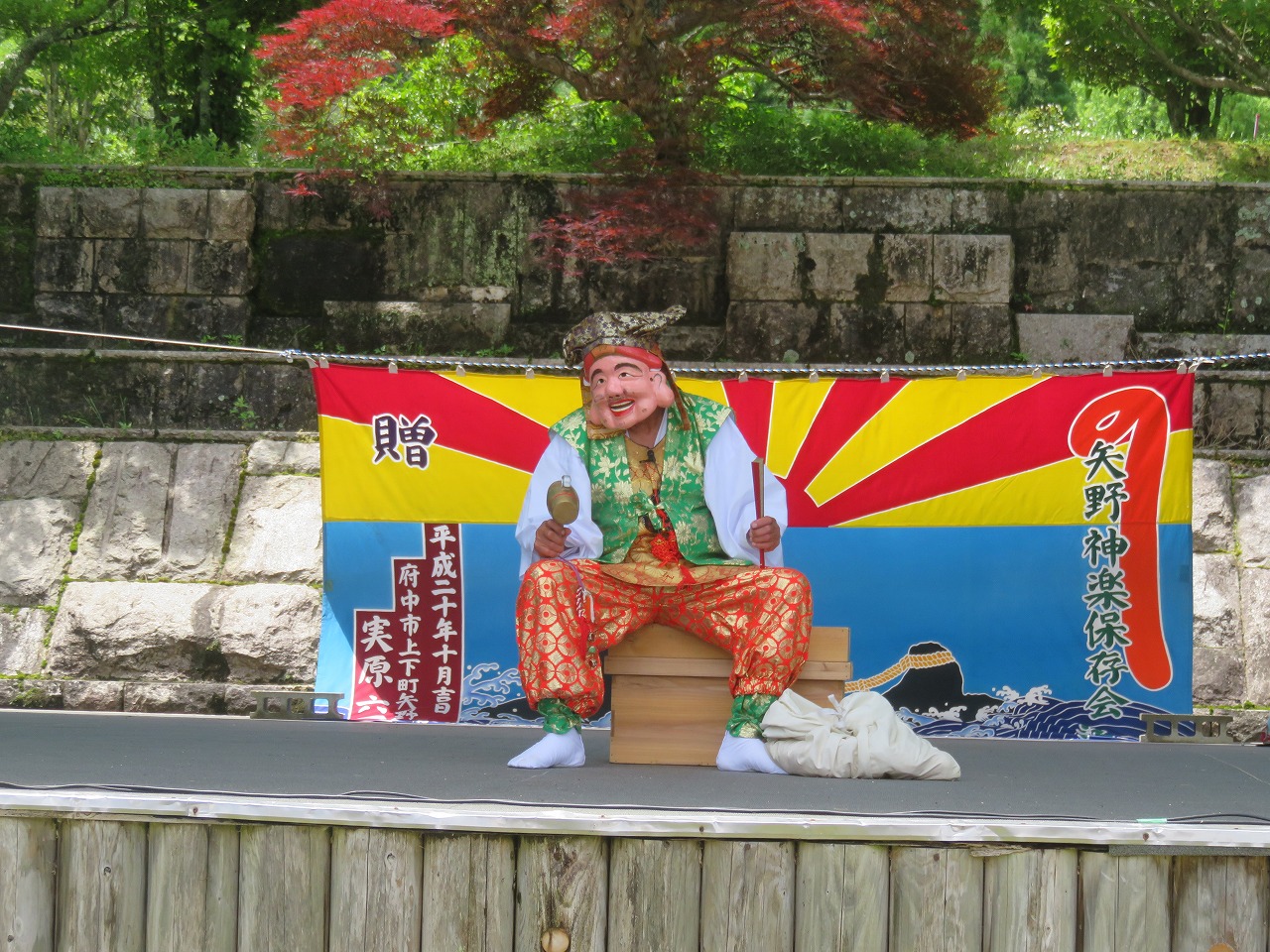
Daikoku-sama, the Deity who Brings Happiness to People
The Kagura performed by the local Yano Kagura Preservation Society featured the dance and humorous storytelling (Mandan) of Daikoku-sama, followed by a distribution of red and white “Mochi” (rice cakes). Although the Yamata-no-Orochi (serpent) dance was also planned, it was unfortunately canceled because the ground had not dried from the heavy rain the previous day, and the equipment would have gotten soiled.
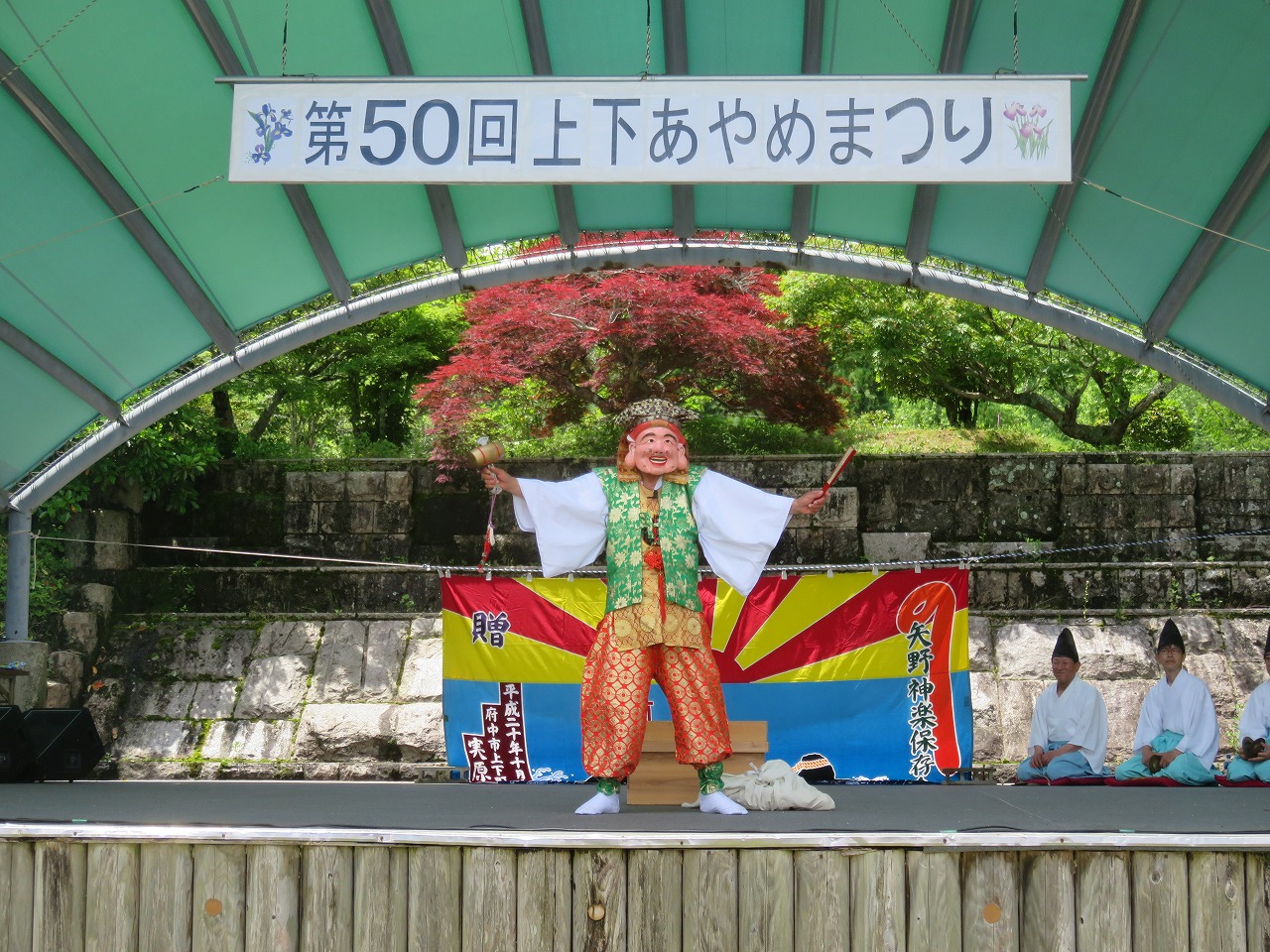
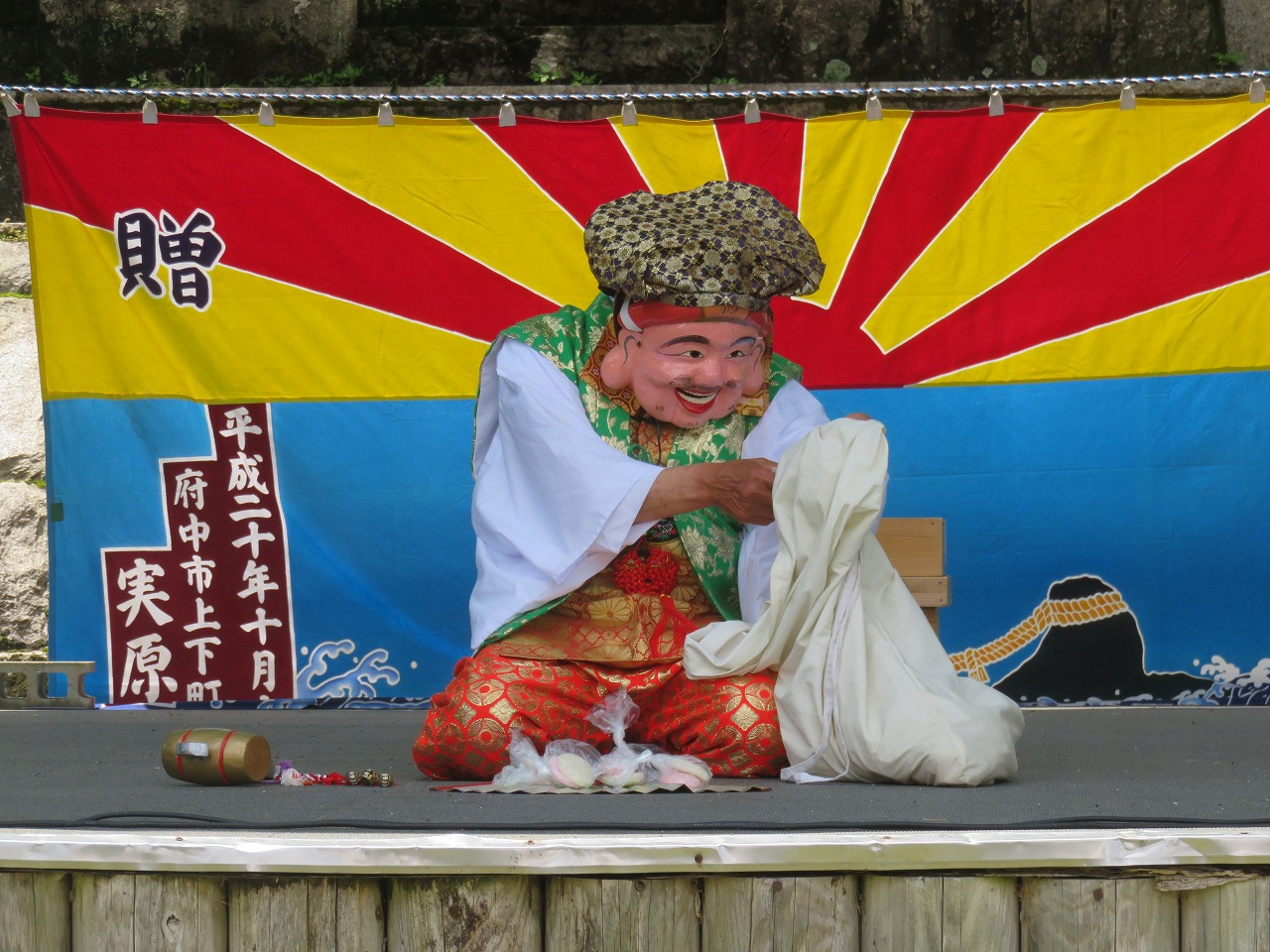
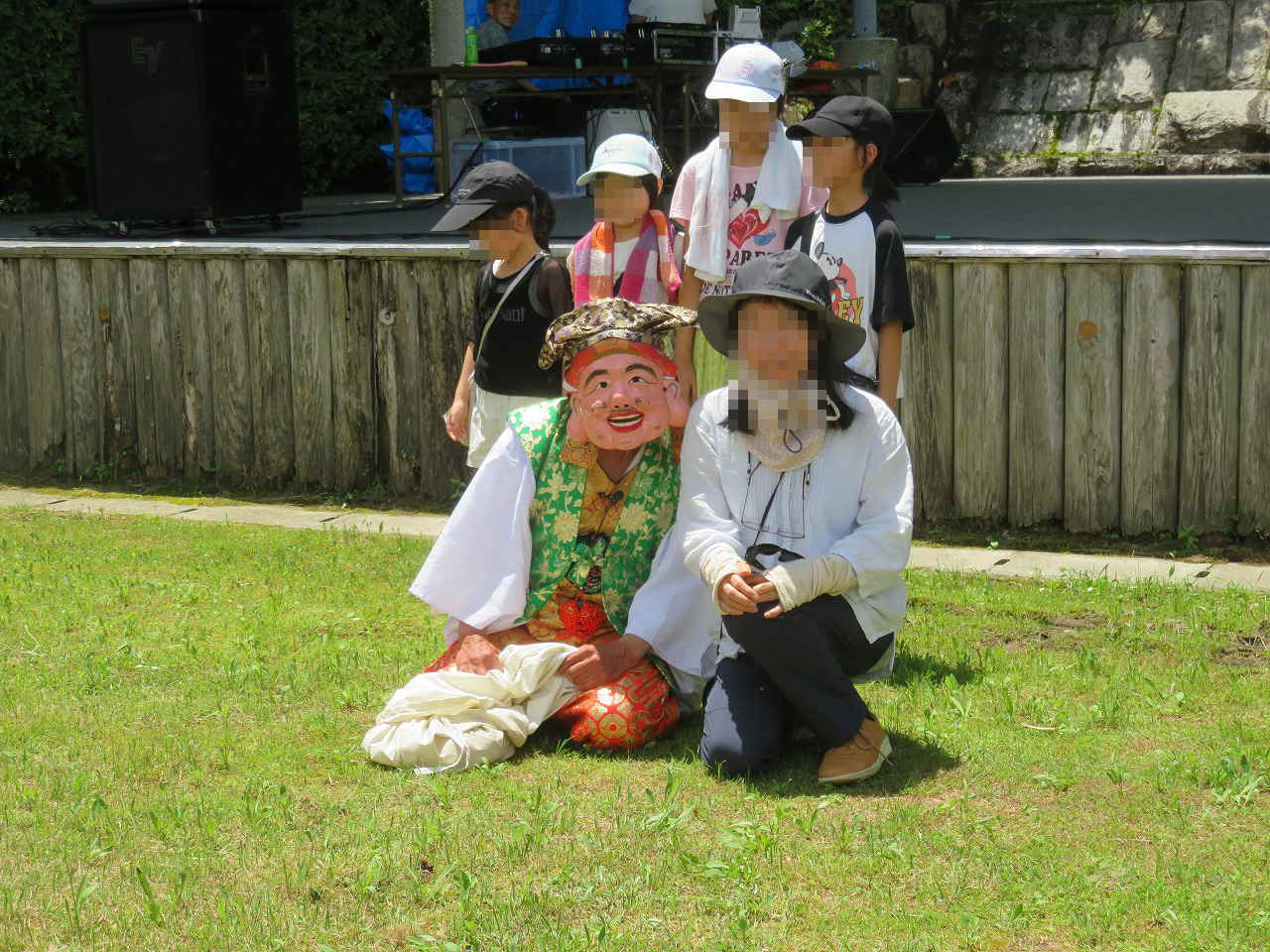
Daikoku-sama (Okuninushi-no-Mikoto) elicited laughter from the audience with his jokes and Hiroshima dialect, using local endings like “~jakee.” People bowed gratefully as they received the red and white rice cakes from him.
At the end, those who wished to took commemorative photos with Daikoku-sama.
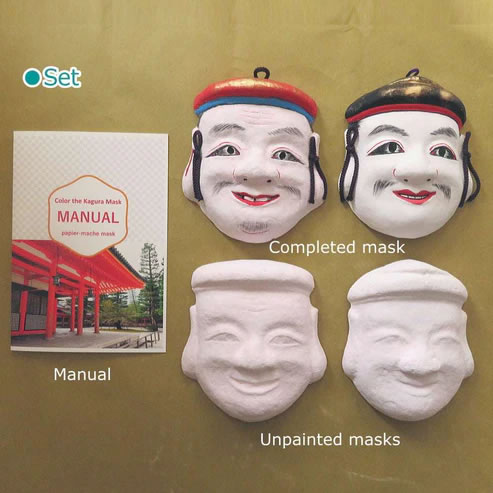
Daikoku-sama (God of Wealth), who appears in Kagura, is a deity known as Okuninushi-no-Mikoto. This product is a set that includes masks of the Japanese deities Okuninushi-no-Mikoto and Kotoshironushi-no-Mikoto, along with a coloring kit (activity to paint the masks).
Hand-Made Soba (Buckwheat Noodles)
One of the Highlights of Visiting the Park
Inside the park, there is a Soba-dokoro (soba restaurant) where you can enjoy hand-made noodles. I stopped by on my way home to fill my stomach. They reportedly use buckwheat flour sourced locally or from nearby areas. 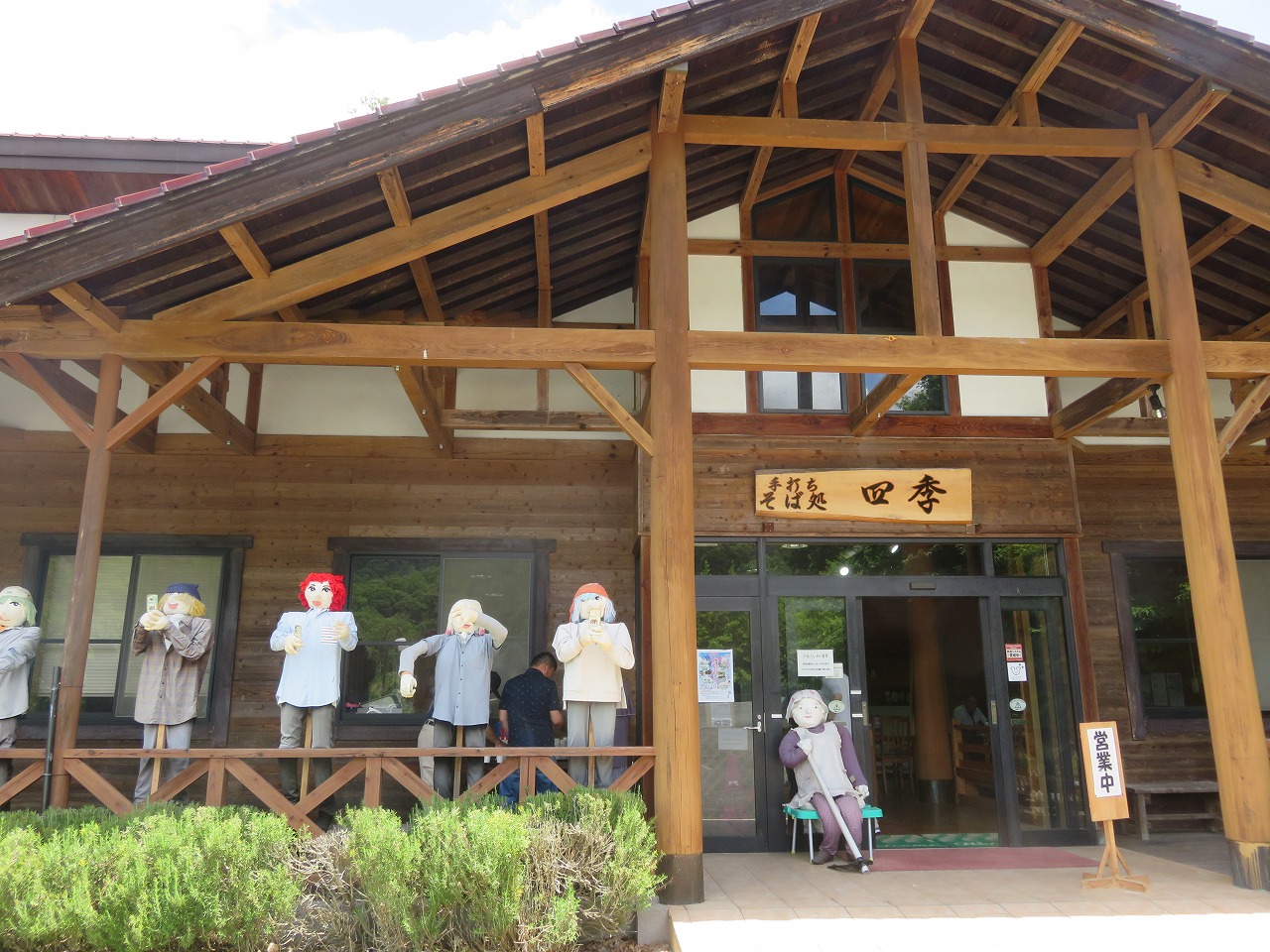
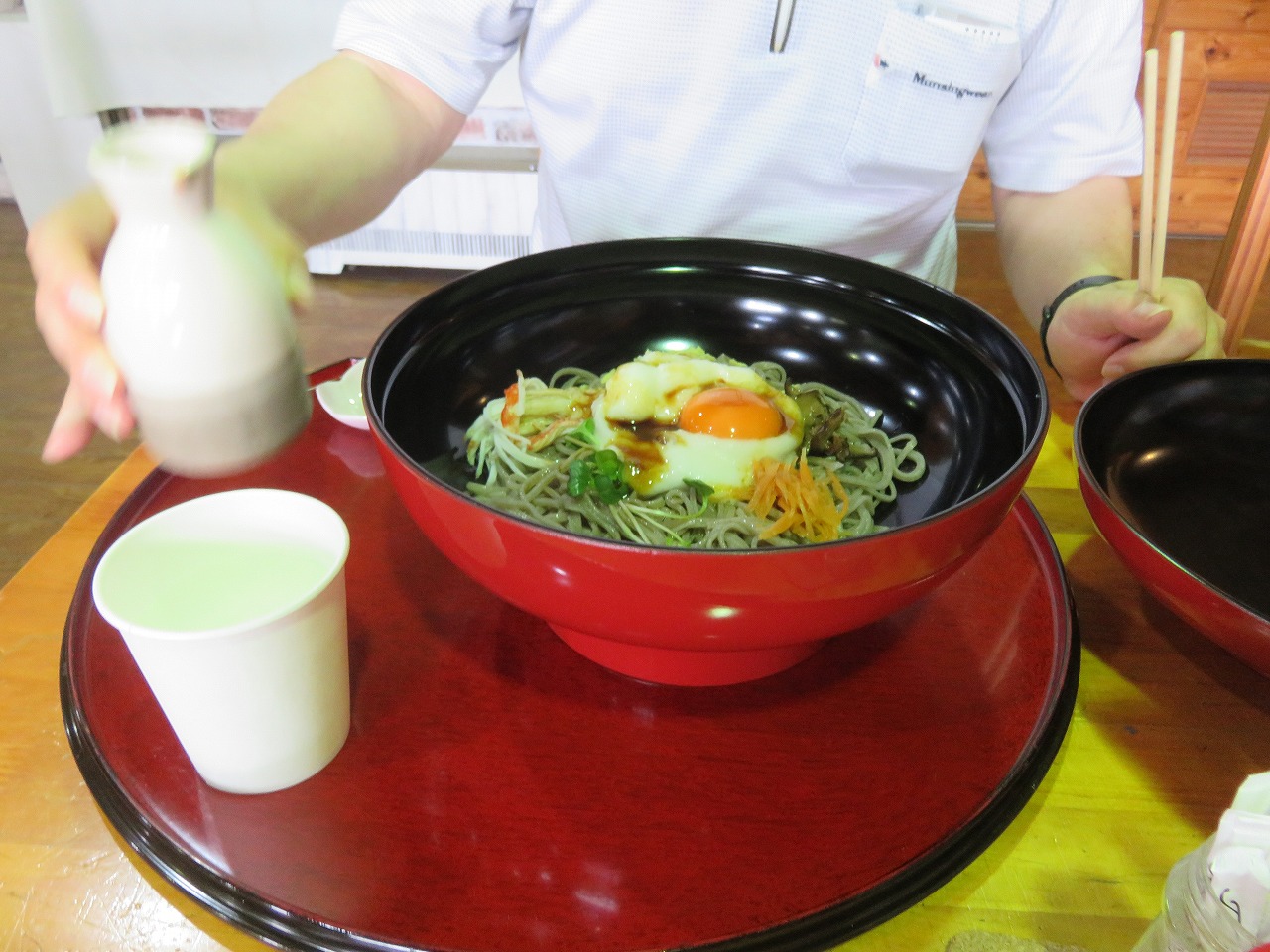
The photo shows the “Tenryo Soba” served cold with grated yam on top (850 yen). Please note that outside of festival periods, the restaurant is only open on Saturdays, Sundays, and public holidays.
Location: 691-2 Yano, Jogechō, Fuchu City, Hiroshima Prefecture
Open: Saturdays, Sundays, and public holidays only (11:00 AM – 2:00 PM)
Closed: Dec 29th – Jan 3rd.
The northern part of Hiroshima Prefecture is an area where Kagura is originally very popular, and great effort is put into preserving its traditions. In addition to this event in Jogechō, Kagura was also performed at the Momiji Matsuri (Autumn Leaves Festival) in Taishakukyo Gorge. Please take a look at the article from that time as well.