Ise Jingu Geku (Outer Shrine)
Ise Jingu, located in Ise City, Mie Prefecture, is affectionately called “O-Ise-san” or “O-Daijingu-san.” It is one of Japan’s most sacred sites, comprising 125 shrines centered around the Inner Shrine (Naiku) and the Outer Shrine (Geku).
Among these, “Geku” is dedicated to Toyouke-no-Omikami, the deity protecting food, housing, and industry; according to tradition, one must visit Geku before Naiku, a custom known as “Geku Sensai.”
Toyouke Daijingu
The Sanctuary Dedicated to Toyouke-no-Omikami
Toyouke-no-Omikami is the guardian deity of food, clothing, housing, and industry, said to have been welcomed to Ise from the Tanba region to prepare sacred meals for Amaterasu Omikami.
Today, many visitors from all over Japan come to pray here, seeking protection for their work and daily livelihoods.
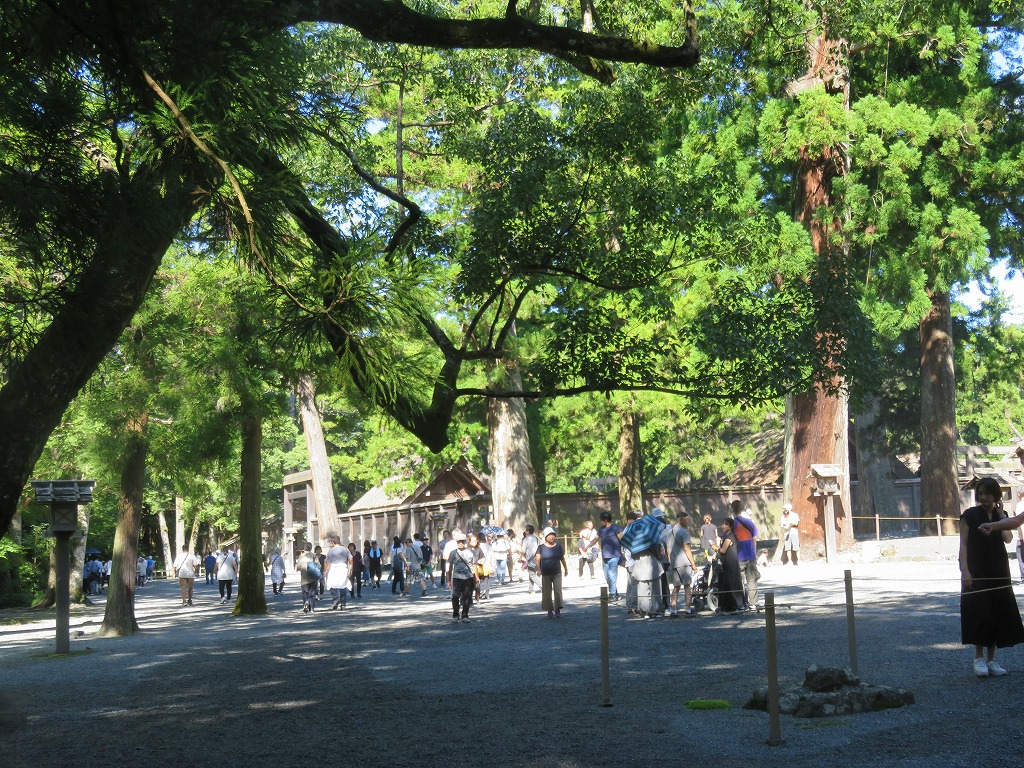
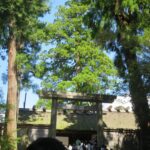
The Shogu (Main Sanctuary) visible in the background is the heart of Geku, a sacred area where even the fragrance of the wood and the sound of the wind evoke a sense of divinity.
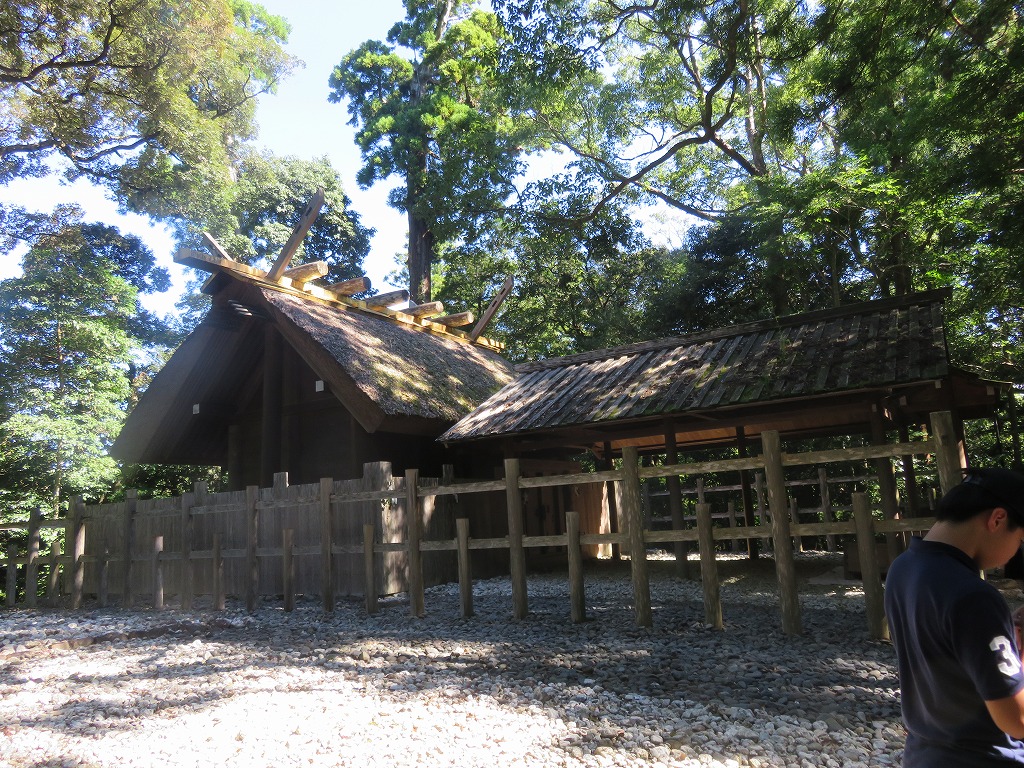
Taka-no-miya Shrine
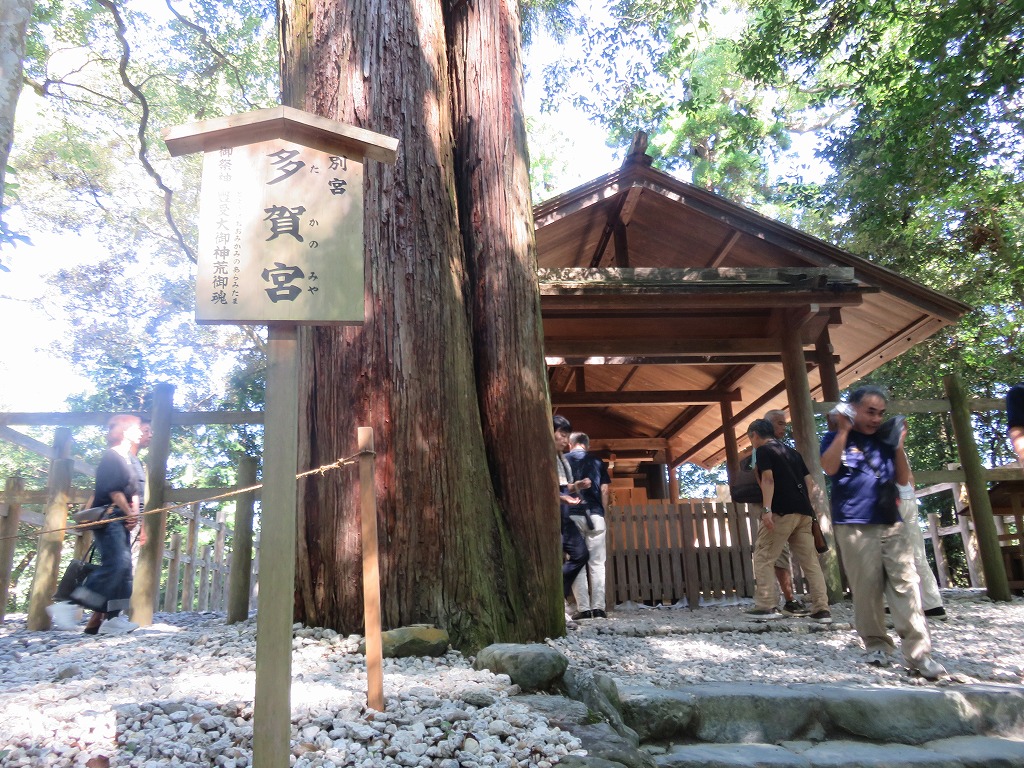
This shrine holds the highest rank among the four auxiliary shrines (Betsugu) of Geku and is the largest in scale after the Main Sanctuary.
Tsuchi-no-miya Shrine
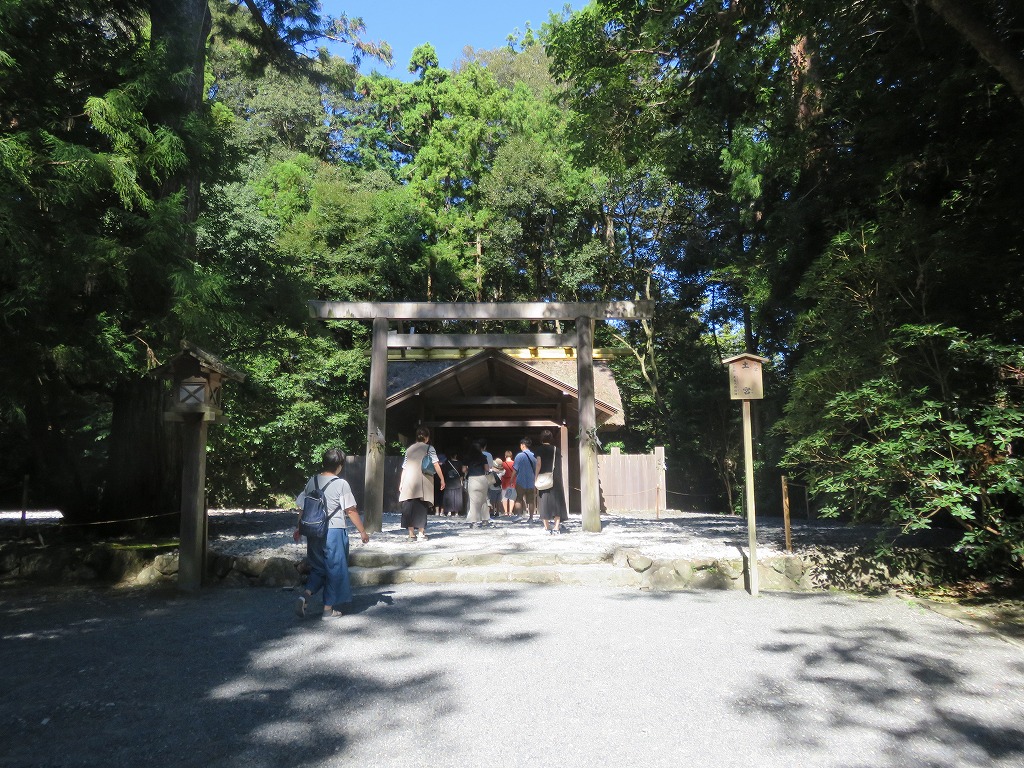
This shrine is dedicated to the local deity of the land, revered as a protector who prevents floods.
It is unique for being the only auxiliary shrine (Betsugu) that faces east.
Kaze-no-miya Shrine
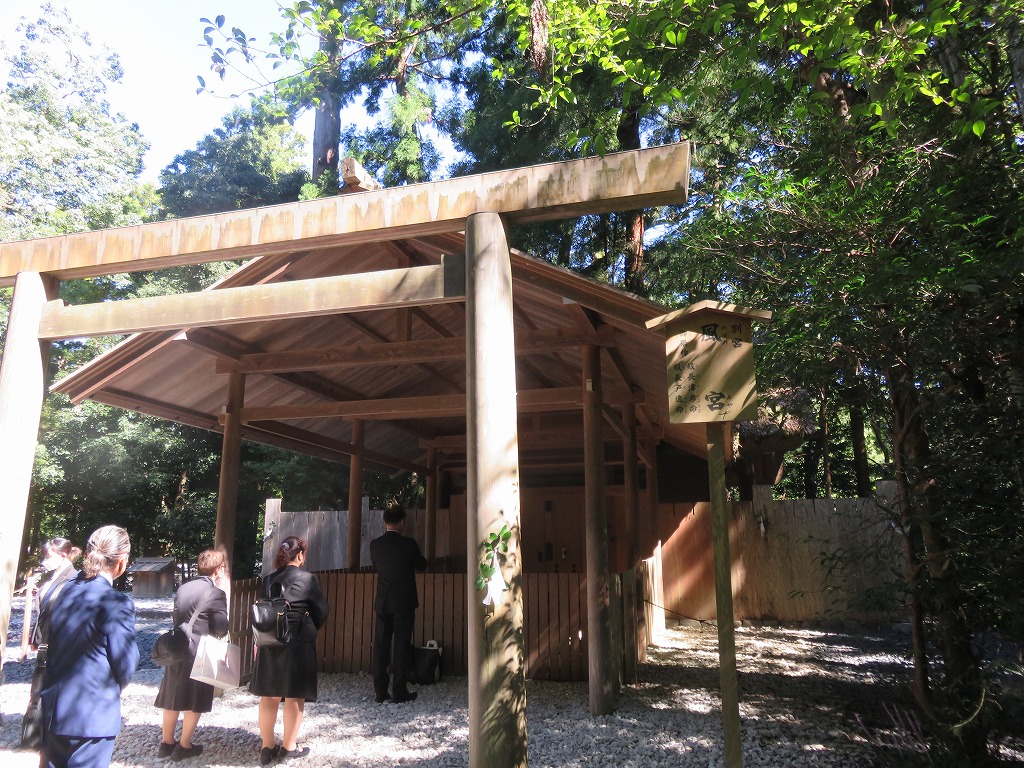
This shrine is dedicated to the deities of wind and rain, famously known for summoning the “Kamikaze” (divine wind).
Because wind and rain significantly impact agricultural harvests, this shrine has been enshrined as importantly as the Main Sanctuary since ancient times.
Geku Kaguraden
The Kaguraden was built during the Meiji era.
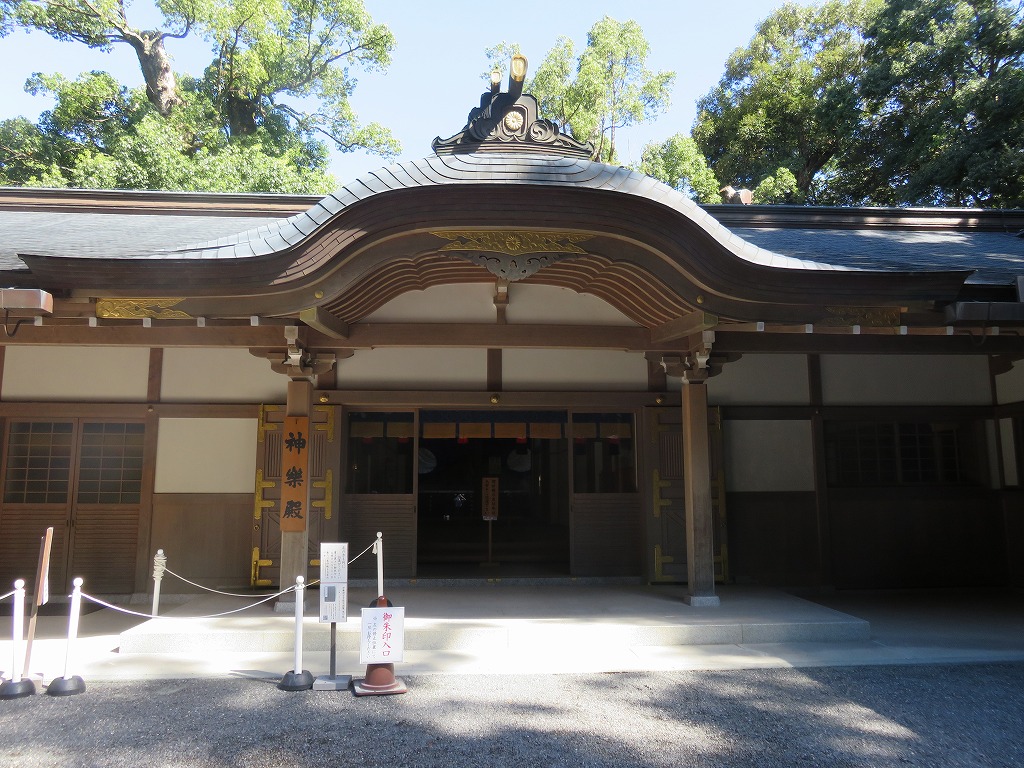
In the past, offerings were not permitted by anyone other than the Emperor; however, the Kaguraden was constructed during the Meiji era to fulfill the wishes of common people who desired to make offerings.
Serving as a gateway to convey the prayers of visitors to the great deity, the reception desk allows one to apply for “Gokito” (formal prayer services) including sacred music and divine food offerings.
Mi-kagura and Sato-kagura (Sacred Music and Dance)
“Kagura” refers to the sacred music and dance performed as an offering to the deities in Japanese Shinto rituals.
Specifically, the rituals performed within the Imperial Court are called “Mi-kagura,” while those handed down in local shrines among the people are referred to as “Sato-kagura.”
The Origin of Mi-kagura
The origin of Kagura lies in the “Amano-Iwato” (Heavenly Rock Cave) myth found in Japanese mythology.
It is said to have begun when the goddess Ame-no-Uzume-no-Mikoto performed a dance to lure Amaterasu Omikami out of the Heavenly Rock Cave, where she had hidden herself.
This event is considered the original prototype of all Kagura performances.
The “Amano-Iwato” myth is also performed as a major program in various Sato-kagura traditions.
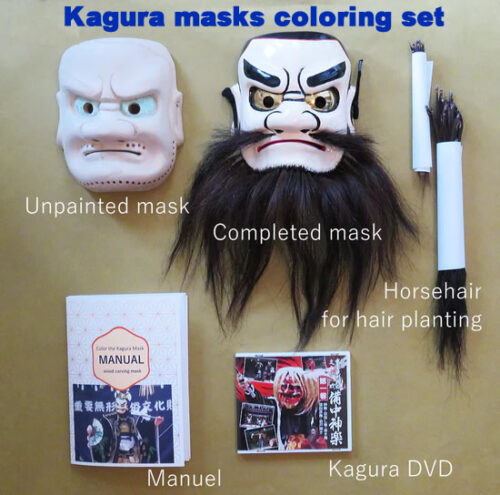
The following mask depicts Ame-no-Tajikarao-no-Kami, the powerful deity in the “Amano-Iwato” myth who is famous for removing and throwing away the heavy rock door.
Depending on the region, this deity is also referred to as “Tajikarao-no-Mikoto.”
Sengukan Museum
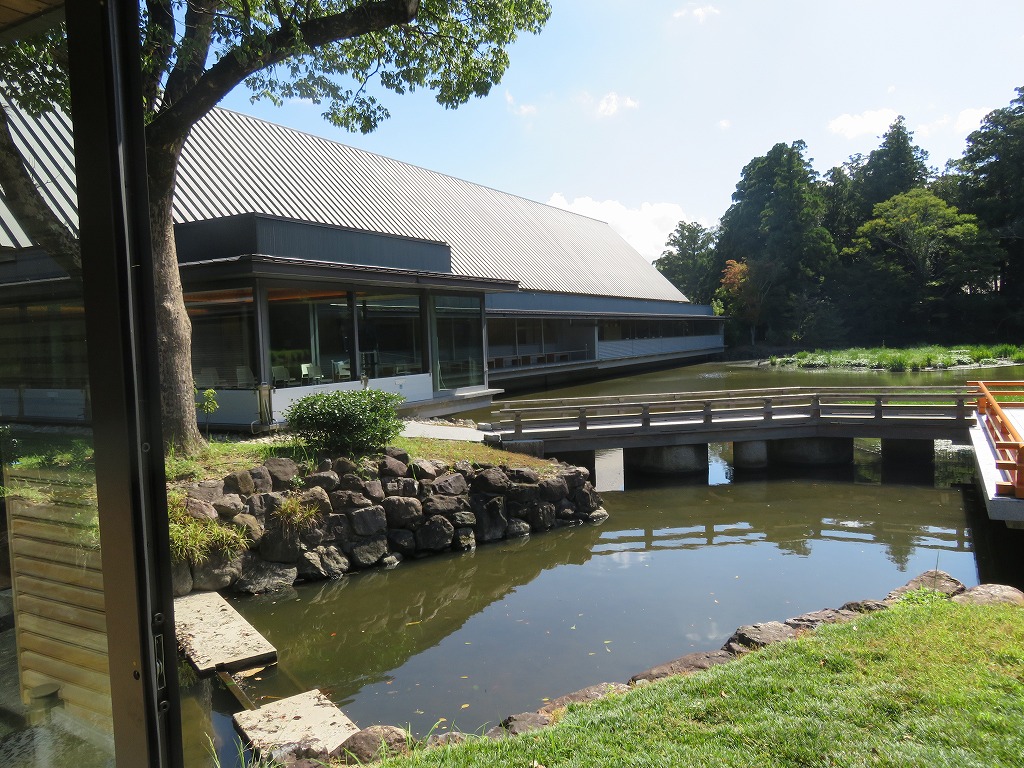
The Sengukan is a memorial museum located within the precincts of Ise Jingu’s Geku, opened to commemorate the 62nd Jingu Shikinen Sengu (the periodic rebuilding of the shrine).The museum exhibits the production processes of sacred treasures, the construction of shrine buildings, and a full-scale model of the Geku Main Sanctuary to pass down the traditional techniques of the Shikinen Sengu, which is held once every 20 years, to future generations.